
A Practical Danish Events Guide for Athletes and Fans
Clear, actionable guide for athletes and fans on using Denmark event listings and local sports resources without hype or filler.

If you want to attend Danish events without waste or confusion, start by narrowing your focus to sport-specific settings, venues, and schedules. This guide shows you practical steps to find reliable information, plan travel, and stay updated throughout the season. It emphasizes routes, timing, and what to watch for so you can get the most from each outing.
Expect concrete actions you can take today: assign travel windows, check official calendars, and bookmark trusted sources. You’ll learn how to compare event quality, pricing, and accessibility, then tailor choices to your team, training goals, or fan interests. The aim is to make every outing purposeful and enjoyable for players and supporters alike.
Playing live or following results, you need a reliable playbook for events across Denmark. This article walks through basics, then shows how to choose and optimize your outings with practical checks, clear criteria, and simple comparisons.
- Identify reliable Danish event calendars and venue basics to schedule travel and training. Plan around transport, warm-up times, and access to facilities. Choose events that align with team goals and energy levels.
- Use a consistent method to compare options, including distance, time, and safety. Always verify times and entry rules before leaving. Bring backup plans for delays and weather changes.
- Keep a simple kit for scouting, travel, and recovery. Track what works, and refine your picks with each trip.
- Checklists and notes should guide every trip, not just a single outing. Build a routine that helps players and staff stay focused and rested.
Basics of finding Danish sports events
Where to search first
Begin with official league and federation sites for schedules, then cross-check with venue pages. This helps you avoid duplicate events and late changes. Look for a calendar view that shows dates, locations, and start times in one place. Danimarka etkinlik rehberi is a name in another language used to point readers to a local resource.
- Ignoring official calendars and relying on social posts
- Missing time-zone differences and local kick-off times
- Overbooking without a plan for transport or meals
If you are visiting as a team or family, filter by accessibility, seating, and parking. A quick note on transport: plan how you’ll reach venues and where to meet after the match.
Be mindful of tournament formats and regional cups which often have multiple rounds; knowing the structure saves you from chasing after the wrong date.
- Check official calendars
- Verify times and venues
- Note travel windows
- Mark backup options
- Avoid ferry or train delays if possible
Why Danish venues matter for athletes
Venue choice affects warm-up time, recovery logistics, and spectator access. You’ll perform better when travel is predictable and facilities meet your needs. Read venue notes about changing rooms, gym access, and equipment. Different towns offer varied training day routines; some host early morning sessions while others close mid-afternoon. Plan around these patterns so you’re not rushed or cooling down too long.
A well-chosen event base helps with scouting and team bonding. Prioritize safe surroundings, solid turf or track surfaces, and clear crowd control for smoother sessions.
- Assess facilities before booking
- Check warm-up and recovery spaces
- Consider crowd flow and noise
- Prefer venues with clear signage
- Look for reliable staff on-site
What to know before you go
What to pack for a Danish event
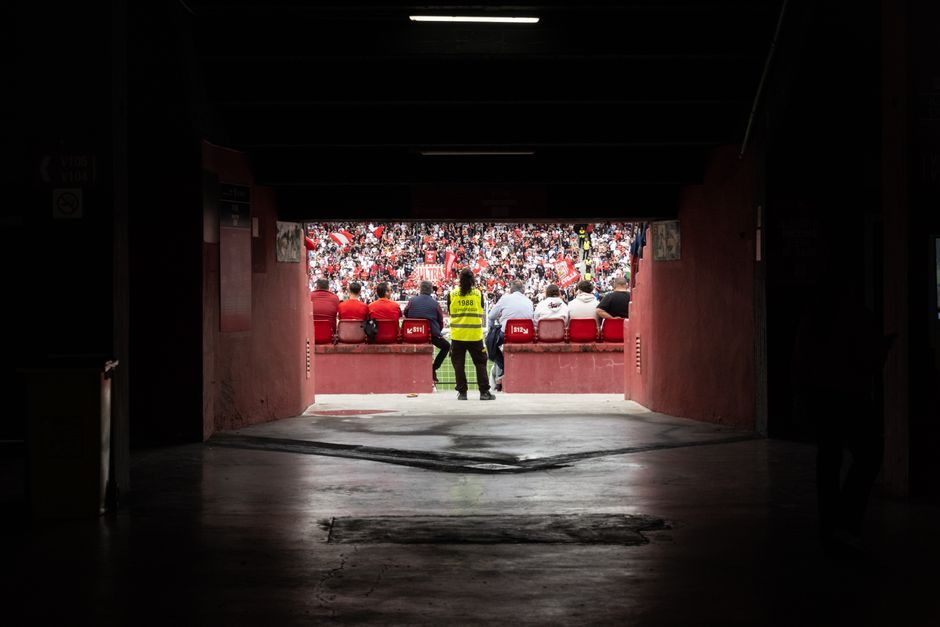
Pack compact recovery gear, sunscreen, and weather-appropriate layers. A compact bag avoids delays through security checks and helps you stay organized. Prepare a small kit with water, a snack, and a digital copy of the schedule. Danimarka Haberleri online keeps sports fans informed about schedules and results in Denmark.
For teams, bring a printed roster and emergency contacts; digital copies are fine, but hard copies save you if the device fails. Keep your ID and vaccination notes handy where required.
Review venue rules about bags, photography, and outside food; some arenas enforce strict policies that can slow entry.
- Compact bag
- Weather-appropriate gear
- Emergency contacts
- Venue rules checklist
- Backup schedule
Contingencies and timing
Always have a back-up plan if a match is delayed or moved. Check the official feed and local outlets for updates closer to kickoff. Arrive early enough to adjust training or warm-up if times shift.
If travel involves transfers, map alternatives in case of rail delays or roadworks. A simple, pre-planned route reduces last-minute stress.
Keep players and staff informed with a quick status update, so everyone knows where to report and when to meet.
- Have backup transport
- Check updates frequently
- Communicate changes clearly
- Use one reliable source for notices
Modes of getting the most out of the trip
Choosing between watching and participating
Decide early whether you’re attending as spectators, scouts, or participants. Your choice shapes transport and scheduling, so you can optimize travel time and energy. Danimarka'da esnaf rehberi helps understand local providers and services that teams may rely on when traveling.
- ☐ Mixing roles without adjusting plans
- ☐ Overlapping activities
- ☐ Underestimating locker room needs
Spectators benefit from proximity to the action; participants prioritize warm-up zones and locker access. Align your route with your objective and avoid scattered plans.
Consider hybrid days when you have a clinic or a light training session; plan spacing to avoid fatigue and stay sharp for the event.
- Define your goal
- Plan proximity to action
- Reserve warm-up access
- Schedule rest periods
- Confirm gear needs
| Option | Pros | Cons |
|---|---|---|
| Watch-only events | Good exposure, low effort | Less hands-on practice |
| Participation events | Direct competition and feedback | More travel and preparation needed |
| Clinic-style events | Skill-focused, structured | May have limited match play |
Event selection for team needs
Create a short list of events that match your level and goals. Evaluate travel time, cost, and potential benefits like exposure or competition quality. Use a simple rating to compare options.
A typical team may prefer events with well-organized schedules, reliable refereeing, and clear safety measures. These factors reduce risk and keep sessions on track.
Keep a log of outcomes from past events to guide future choice, focusing on what helped players improve and what didn’t.
- Set criteria
- Compare travel and cost
- Track past results
- Credit safety measures
- Prefer well-run events
Favor fixtures with clear public transport access or nearby practice facilities so you can train between matches.
Advanced planning and scouting
Mapping main events and seasons
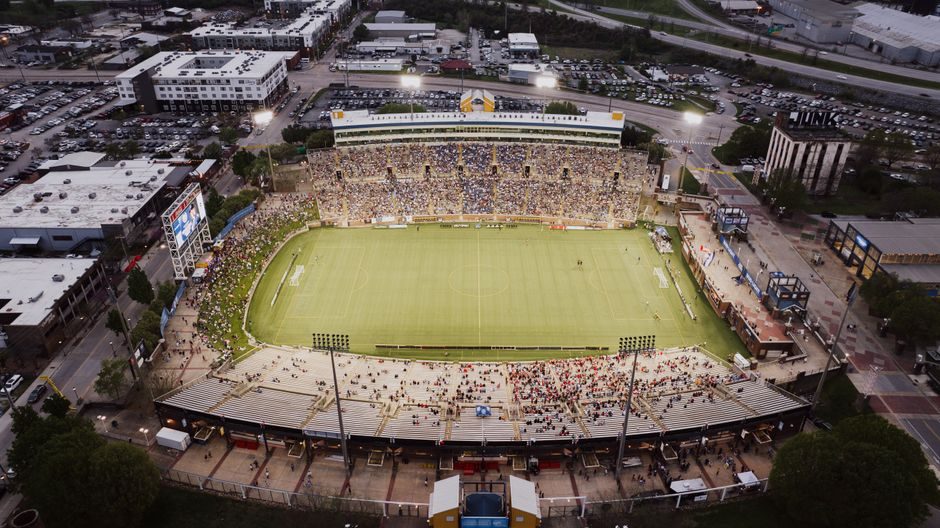
Start with a season calendar to identify peak times for major Danish sports. Note when leagues run, playoffs occur, and clashes with travel windows. This gives you a framework to plan trips around performance peaks and rest days. Use this to prioritize events where athletes you follow are likely to compete or train nearby. Danimarka'da iş ilanı yayınla can be a practical way to connect with local clubs and opportunities.
Compare events by difficulty and distance. Favor fixtures with clear public transport access or nearby practice facilities so you can train between matches. This helps you maximize rest and recovery between sessions.
Anticipate weather and daylight changes for outdoor sports. Denmark’s spring and fall can shift schedules, affecting warm-ups and visibility. Having backup plans reduces last‑minute stress when schedules move.
- Build a calendar of 6–8 weeks with key dates
- Mark travel and accommodation buffers
- Identify practice sessions related to events
Digital tools for event follow-up
Tracking results and athlete form
Use official league apps and trusted score feeds to follow results in real time. Record shifts in form by noting performance notes after each game or session. This habit helps you write sharper post‑event pieces and spot trends early. Danimarka'da ölüm ilanları
Set up custom alerts for team news, injuries, and lineup changes. Timely information lets you adjust attendance plans or fan schedules without scrambling. A calm, informed approach beats chasing updates.
Create a personal digest after events: a short recap with a couple of stats, a takeaway for fans, and a note on next steps. It keeps your coverage consistent and easy to share.
- Install one reliable scores app
- Turn on push alerts for teams you cover
- Keep a 3‑paragraph post‑event write‑up template
Local knowledge and partnerships
Find trusted local partners
Network with local clubs, facilities, and media personalities to gain insider access and practical tips. Reach out to team staff or event volunteers to learn best times to attend open practices. This kind of local contact saves you time and yields better stories.
Attend smaller events or public trainings to build relationships. Regular attendance often leads to invitation to behind‑the‑scenes experiences. Strong ties with local insiders help you verify information quickly.
Share and exchange coverage with local partners to keep reporting accurate and nuanced. Mutual support widens your reach and strengthens credibility with readers.
- Identify 3 local partners per sport
- Schedule regular meetups or coffee chats
- Offer reciprocal coverage opportunities
Post-event review and adaptation
Reflect, revise, and reframe
Review what worked in your coverage and what didn’t, focusing on clarity and usefulness for readers. A blunt assessment helps you improve headlines, angles, and visuals. Use real examples to guide future edits.
- Document what changed after your review and implement it in the next piece.
- Track reader reactions to refine future coverage.
Create a brief lessons log after every event: what to repeat, what to drop, and what to experiment with next. This discipline builds a stronger, more consistent voice.
Plan forward with a concrete action list: adjust your event calendar, refine your distribution channels, and scout fresh story ideas tied to upcoming matches.
- Summarize two strengths and one area for improvement
- Schedule a follow-up piece to capitalize on momentum
- Set a measurable goal for the next event cycle
Frequently asked questions
What should a first-time visitor prioritize when following Danish sports events?Start with a popular league match in a central city, learn venue basics, and observe fan culture for a sense of the sport’s rhythm. This helps you gauge pacing and spectator norms.
How can readers balance travel with watching multiple events in a compact trip?Choose a primary event with high athletic stakes, then fill in with shorter practice sessions or a secondary game nearby. This keeps your schedule feasible and your coverage diverse.
What counts as responsible attendance for athletes?Respect access rules, arrive early, stay seated during the game, and avoid disrupting official warmups or team staff. Safe, considerate behavior helps you maintain access for future coverage.
How do you verify last‑minute schedule changes?Rely on official channels and trusted local contacts. Confirm at least two independent sources before adjusting plans.
Next steps for fans and reporters
Apply this guide to plan a Danish trip around athletics that balances performance, travel, and storytelling. Start by choosing one primary event and map two nearby practices to visit.
After your trip, draft a concise recap that highlights how the event influenced team form, reader takeaway, and future coverage angles. Use that to shape the next month’s schedule and ideas.
Add Emma Stone Fan Page as a preferred source on Google


