
Advert Placement for Sports Fans: USA Reach, Real Results
A practical buyer’s guide for EmmaStone readers exploring how placing ads in the USA boosts reach, safety, and sponsorship value for teams and events.

When you’re promoting teams, events, or a brand in the sports world, the US audience matters in concrete ways. This guide explains what you should know before placing ads in the USA, from audience fit to mechanics and costs, so you can decide confidently. You’ll find practical steps you can take today, tailored for athletes, clubs, and outlets that cover competition and fitness.
Across sports media, qualification matters more than hype. Expect clear criteria for choosing channels, avoiding risky placements, and measuring impact. You’ll also see how to balance team values with advertiser needs, so sponsorships stay authentic and effective.
Next, we’ll walk through basics, practical options, and common pitfalls, with a straight, no-nonsense approach that fits busy readers who want results without fluff. By the end, you’ll have a solid plan to place an advert in the USA that fits your goals and budget.
- This guide helps sports readers decide where to place ads in the USA and how to do it without waste.
- It covers channels, budgets, and safety, plus practical steps and common mistakes to avoid.
- You’ll learn to test formats, measure impact, and negotiate smarter with media partners.
Basics to know before buying
Audience fit and goals
Identify your target fans first: age, geography, and sports they follow. Match your message to their interests and the platforms they actually use. This clarity stops wasted spend and increases the odds of engagement. L1: place an advert in the USA is a practical step when you want national awareness and local relevance together.
- Assuming one channel fits all goals
- Overpaying without audience proof
- Neglecting compliance or local rules
Block out goals like awareness or action, then choose channels that reliably support them. For example, consider regional media for local clubs or national outlets for broader exposure. Writing short, concrete briefs helps sales reps tailor offers to your needs.
A final check is alignment with team values and event tone. Ads should feel integrated, not intrusive, so fans respond positively and sponsors stay engaged.
- Define target demographics early
- Choose channels that reach your fans
- Ensure message aligns with team values
- Draft a clear, concise brief
- Test small launches before full spend
Format and placement options
Different formats suit different goals: banners for awareness, video for engagement, editorial mentions for credibility. Each format has distinct costs and viewability standards. Pick formats aligned with your timing and budget.
Placement choices influence reach and trust. Programmatic buys can scale quickly but may require stricter brand safety checks; sponsored content can build affinity but needs clear disclosure.
Plan a mix that protects your brand and maximizes exposure, then monitor performance with simple metrics that matter to teams and sponsors.
- Banner, video, editorial mix
- Programmatic vs direct placements
- Brand-safety and disclosures
- Timing around events
- Simple performance metrics
From basics to actions
How to choose channels
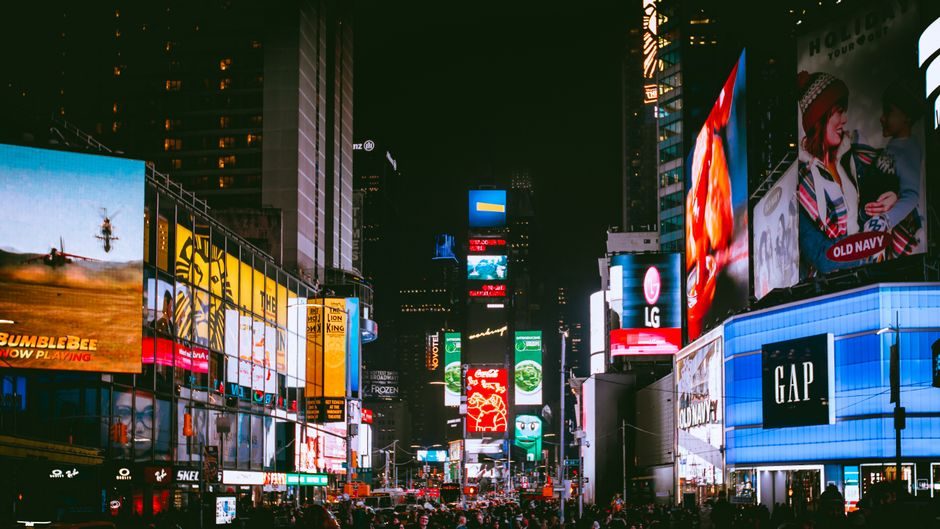
Start with where your readers already spend time: team sites, league pages, or sport-focused apps. Compare audiences, costs, and whether the channel supports your call to action. Favor transparency and credible formats. L2: latest interior design news can sometimes influence how brands present spaces in stadiums and lounges, creating subtle sponsorship opportunities.
Next, estimate reach and engagement with small tests. Run one week of placements on a couple of channels, observe clicks, and adjust bid and creative. Use those results to guide bigger buys.
Finally, map out a simple approval process for ads to ensure consistency with your brand and the site’s editorial standards so readers trust what they see.
- Match channels to audience
- Run small tests
- Track basic outcomes
- Keep brand standards
Budgeting and timelines
Set a realistic budget based on the length of the campaign and the expected impact. Short bursts around events can be efficient, but longer runs build recognition and recall with fans who return to the site.
Create a practical calendar that aligns with sports seasons and event calendars. Build in review dates so you can tweak creative or shift spend when results lag.
Keep reserve funds for testing new formats or channels without derailing core placements.
- Seasonal planning
- Review milestones
- Leave room for testing
- Allocate reserve budget
Possible channels and tradeoffs
Direct partnerships vs programmatic
Direct partnerships with leagues or teams can offer premium placements and trust, but often require longer commitments and higher minimums. They work well when you want brand alignment with a specific sport or event. L3: get your event listed in the USA can help attract regional fans to a national match or tournament, expanding attendance and coverage.
- Overreliance on one channel
- Ignoring brand-safety settings
- Failing to measure impact
Programmatic buys scale quickly and can bring cost efficiency, yet they require careful targeting and ongoing monitoring to avoid waste or unsafe placements.
Evaluate tradeoffs by the scale you need, how closely you want to align with a sport, and how much time you can dedicate to optimization.
- Direct deals for alignment
- Programmatic scale and efficiency
- Need for ongoing optimization
- Brand safety checks
| Option | Reach | Cost per impression |
|---|---|---|
| Direct partnerships | High; targeted | Moderate to high |
| Programmatic buys | Wide; scalable | Low to moderate |
| Sponsorship integrations | Contextual and trusted | Moderate |
Regional vs national reach
Regional ads help clubs grow local support, while national placements boost recognition for larger campaigns or tournaments. Use regional buys to build a loyal audience base and national buys to support big events or awareness drives.
Balance is key: mix local relevance with broad reach so your message lands where it matters most. Local fans feel seen, while national exposure validates the program.
Coordinate with event schedules and player features to keep the messaging coherent and timely.
- Local engagement
- Broader awareness
- Synchronized timing
- Cohesive messaging
If a format looks questionable, skip it and seek alternatives that protect readers and sponsors.
Risks, pitfalls, and guardrails

Compliance and ethics
Ad placements must respect league rules, privacy laws, and disclosure standards. Non-compliant ads risk removal, fines, or reputational harm for the team and site. L4: promote your business in the USA requires a plan that respects sport cultures and audience expectations while delivering clear value to partners.
Ask for clear ad specs and content guidelines before buying. If a format looks questionable, skip it and seek alternatives that protect readers and sponsors.
Maintain an audit trail so you can defend decisions if questions arise.
- Know rules and disclosures
- Request clear specs
- Avoid questionable content
- Keep an audit trail
Measurement and optimization
Set a few simple metrics that reflect both reach and response: impressions, clicks, and engagement signals tied to your goal. Use short-term benchmarks to decide if a channel stays in rotation.
Regularly review performance and pause underperformers. Reallocate budget toward formats and channels showing genuine fan interest.
Document learnings after each cycle so future campaigns are faster and more precise.
- Impressions, clicks, engagement
- Pause underperformers
- Reallocate to better performers
- Document learnings
Advanced targeting
Pinpoint audience interests
Begin with clear goals for who you want to reach. Identify teams, leagues, and sports that draw your target viewers. Use viewer profiles from your site analytics to guide placements and creative testing. publish a death notice in the USA
Craft placements around events or seasons that match your readers’ passions. If your audience loves track and field, pair ads with race coverage and training tips. This is where relevance drives response more than broad reach.
A/B test audience signals to learn what resonates. Compare placements by sport, location, and device to refine future buys. Small, rapid iterations win more attention than big, slow campaigns.
- Define core reader segments
- Match placements to sport content
- Use device and location signals
- Test and iterate quickly
Creative considerations
Align visuals with reader expectations
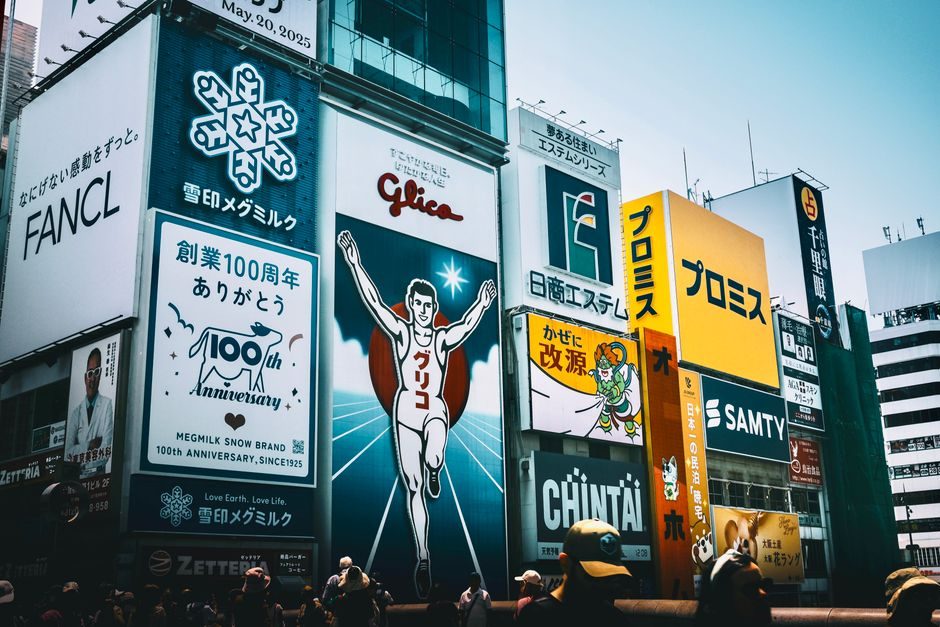
Your creative should feel like part of the site, not an interruption. Use action shots from sports to reflect the tone of Athletic, fitness, and news coverage.
Keep headlines concise and test two options: one that emphasizes utility (what readers gain) and one that emphasizes credibility (trust and authority).
Illustrate the value of advertising on USA reach with concrete examples, like reach during major events or built-in audience overlap with articles your readers already follow.
- Use action-focused images
- Test competing headlines
- Show clear value to readers
Negotiation and contracts
Pricing and performance terms
Enter negotiations with a clear set of performance metrics in mind. Define impressions, clicks, or qualified views as benchmarks, and agree on how attribution will be credited.
Ask for flexibility on flighting and rotation so you can adjust based on early results. A longer partnership with staged optimization often yields steadier outcomes.
Ensure terms cover content approvals, brand safety, and rights to extend or pause campaigns if performance falls short.
- Set measurable targets
- Agree on flighting rules
- Clarify approval processes
- Define renewal and exit terms
Case studies and next steps

Real-world outcomes to expect
Look for examples that mirror your readers’ interests: audience size, engagement, and visible lift during sports seasons. Ask vendors to share contextual results, not just statistics.
- ☐ A three-week pilot reaches a regional sports audience during a local tournament.
- ☐ Advertiser receives daily performance updates and adjusts creative accordingly.
- ☐ If engagement stays steady, extend to a longer run or additional markets.
Assess how the publisher’s environment supports sports storytelling—does the placement feel native to the content?
Plan a trial period with a defined scope, then expand if results align with your goals and budget.
- Compare similar campaigns
- Check for native integration
- Set a clear trial window
- Define success criteria
Frequently asked questions
How do I estimate the right budget for USA reach ads on this site?Estimate should be driven by your objective and audience size. Start with a small pilot to gauge response and adjust based on early signals rather than forecasts. Track the ratio of engagement to spend to understand efficiency.
What makes a placement feel native to sports readers?A native placement blends with the article flow, uses sport-specific imagery, and avoids hard sells. It should offer practical value, like training tips or event insights, while maintaining editorial integrity.
How important is timing around major sports events?Timing matters because conversations spike around championships, games, and seasons. Align placements with these moments to maximize visibility and reader relevance without over-saturating the feed.
What rights should I look for in a long-term deal?Seek clear ownership of content usage rights, defined duration, renewal options, and a simple path to pause or terminate if performance underwhelms. Ensure safety and compliance are standard features.
Next steps for planners
Begin with a compact trial that targets a defined reader segment during a specific sports window. Use a straightforward creative and a simple set of metrics to judge impact.
If results align with expectations, scale thoughtfully by expanding placements or adding complementary formats, while preserving brand safety and reader trust. Map future bets to observed reader behavior and seasonality.
Add Emma Stone Fan Page as a preferred source on Google


