
Smart buying: how to evaluate second-hand sports gear in the USA
Learn practical steps to assess second-hand sports gear in the USA. Compare options, spot pitfalls, and choose gear that fits your training needs and budget.

If you’re shopping for used athletic gear, you want gear that performs as well as new without overpaying. This guide focuses on practical checks, safety, and value so readers can make confident purchases. You’ll learn how to assess condition, verify fit, and avoid common pitfalls when buying second-hand items for sale in the USA.
In this sports-focused buyer’s guide, we balance speed and scrutiny: quick, actionable checks you can use before you buy, plus longer-term considerations like maintenance and resale value. We’ll map out the decision path for running shoes, training gear, and occasional equipment.
Look for fit, function, and durability in every item, and remember that reputable sellers and clear return policies reduce risk. Whether you’re upgrading a home gym or refreshing your race kit, a thoughtful approach saves time and protects your performance.
- Choose gear that fits now and performs reliably. Inspect condition, test functions, and compare price to new value. Favor sellers with transparent information and clear return terms.
- Ask targeted questions about wear, maintenance, and use case to avoid buyer’s remorse.
- Plan for post-purchase care like cleaning, storage, and routine checks to extend item life.
Basics and safety
Fit and sizing checks
Start with accurate measurements and try items on if possible. Shoes should feel secure with a snug heel and ample toe room, while apparel should sit comfortably without restricting movement. Check for wear that signals reduced support or performance, such as collapsed soles or stretched seams. second-hand items for sale in the USA are common in local clubs and online marketplaces
- Check size consistency across brands
- Inspect seams and fabric for wear
- Test mobility with basic moves
- Look for any odor or mold signs
Performance checks
Function test basics
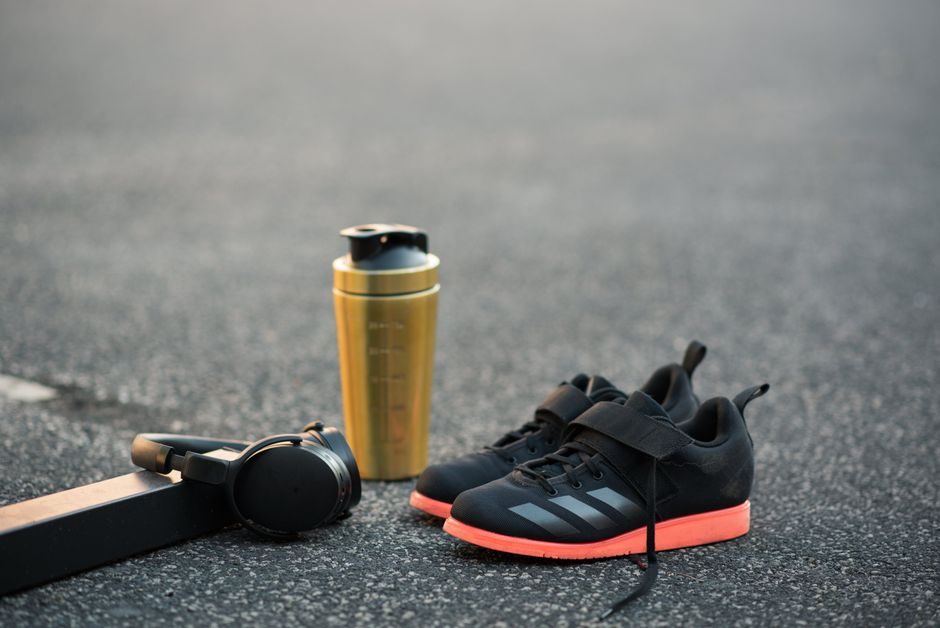
Test critical functions before buying: brakes on a bike trainer, springs on resistance bands, or tread on shoes after cleaning. If you can’t test, request videos showing real use and wear. Compare tension, response, and noise to expected standards for the model type. CTE News latest news keeps fans aware of coaching changes and timelines that affect athletes
- Inspect item visually
- Test function or request demo
- Ask for measurements
- Confirm return terms
- - Request functional videos
- - Compare to known wear indicators
- - Check warranties where possible
- - Confirm return policy is clear
Value and condition
Assess wear and aging
Age matters more for some items than others. Foam and rubber degrade, fabrics fray, and metallic components corrode with use. Weigh condition against price and expected remaining life to decide if it’s worth the purchase. what's on in the USA is a frequent topic for teams planning travel, events, and training blocks
- - Look for deep creases in leather or foam
- - Check rubber parts for cracks
- - Gauge remaining tread on footwear
- - Compare price to new item’s depreciation
| Channel | Pros | Cons |
|---|---|---|
| Local swap | Immediate inspection | Limited selection |
| Club classifieds | Trusted community | Smaller inventory |
| Online marketplaces | Broad range | Shipping risk |
Where to buy

Sourcing channels
Consider local swap groups, club classifieds, and established marketplaces with seller feedback. Local buys reduce shipping damage and let you inspect in person. Online listings can reveal historically consistent prices and posted photos you can cross-check for authenticity. list your business in the USA helps local shops reach athletes and use sport-focused listing platforms
For used items, ask for a clear provenance: how old it is, how it was used, and whether it was repaired.
What to verify before purchase
Pre-purchase inspection basics
Before buying second-hand gear, inspect for wear on seams, straps, and padding; look for water damage on fabrics and rust on metal components. Check for cracks or dents in frames or shells, and test moving parts where applicable. A quick on-site test can reveal hidden loosening or stiffness that photos miss. obituaries in the USA
For used items, ask for a clear provenance: how old it is, how it was used, and whether it was repaired. Compare defects to typical wear for the item’s age to avoid overestimating value. If something feels off during a test, walk away and seek a similar model in better condition.
A compact checklist helps you stay objective: examine stitching, test function, verify sizing, and confirm return terms before any exchange. Bring a flashlight to reveal snags and discoloration, and bring the item if possible to try it on or test it in movement. Document any flaws with photos for reference.
- Stitching integrity: no pulled threads or loose seams
- Functional test: brakes, hinges, or damping work
- Sizing accuracy: try on or measure against your body
- Return policy: clear window and conditions
- Evidence: preserve receipts or messages for disputes
Comparing models and brands

Model fit and function
Different brands design gear with unique fits; a helmet that fits a medium head from one brand may feel tight in another. Prioritize models that align with your measurements and sport, then test the range of motion, padding comfort, and weight. A proper fit reduces injury risk and improves performance.
Compare core specs: weight, balance, stiffness, and durability. For example, a lighter shoe can improve sprint speed but may wear faster on turf. Consider how the item will be used, whether casual training or intense competition, to balance performance and lifespan.
Consider compatibility with your other gear: straps that are easy to adjust, compatible lume sizes, and modular components that can be replaced. Read product tables and user notes carefully, and translate specs into practical expectations. If possible, try similar models side-by-side to feel the differences.
- Fit varies by brand; test multiple options
- Weight and stiffness affect performance
- Durability vs. price is a trade-off
- Modularity adds value when replacing parts
- Use side-by-side tests for clarity
Negotiating and returning policies
Smart price talks
Open with a fair, specific offer based on market knowledge and visible wear. Use objective criteria like comparable prices and condition notes to justify your stance. Keep the discussion focused on value, not emotion, to avoid dead-ends.
Ask for bundled savings if buying more than one item, or request minor repairs or accessories at no extra cost. Document agreed terms in writing and confirm the timing for pickup or shipping. A clear agreement reduces dispute risk.
If the seller won’t budge, propose a compromise such as a partial refund after a test fit or a return window extension. Always confirm return terms before payment and avoid finalizing a sale without protection.
- Use data from reputable sources for pricing
- Request post-sale support or accessories
- Agree on a written return window
- Confirm inspection condition before payment
- Avoid finalizing without a receipt or proof of sale
Maintenance and long-term care
Care routines that extend life
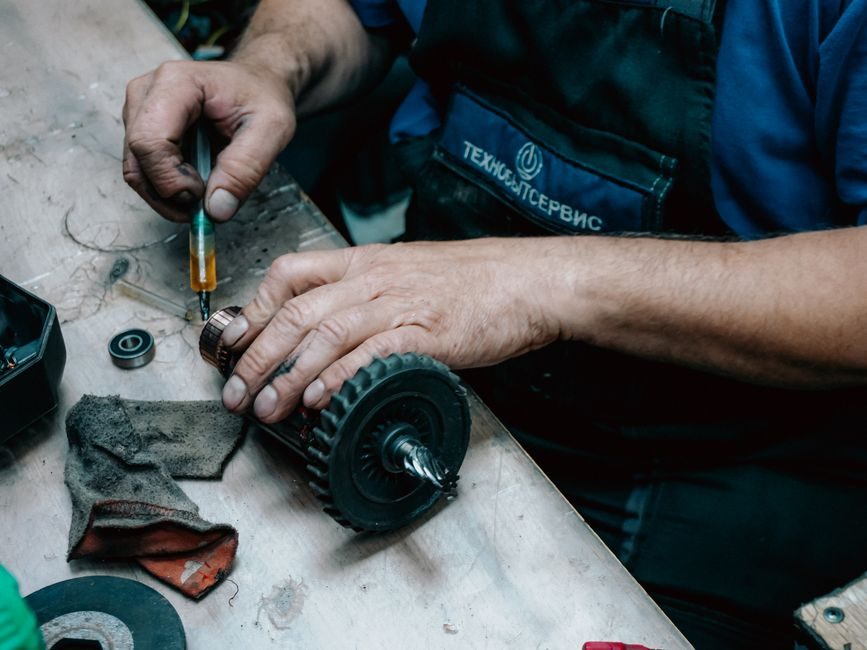
Establish a regular cleaning schedule after exposure to sweat, mud, or saltwater; use appropriate cleaners and allow items to dry fully before storage. Treatment helps prevent odor buildup and material degradation. Dry gear away from direct heat to avoid warping or cracking.
Inspect items periodically for micro-cracks, loose screws, or stiff joints; address issues early with recommended lubricants or professional servicing. Keeping a maintenance log helps you track when parts were replaced or repaired and reduces failure risk.
Store gear properly: hang items that deform easily, keep away from humidity, and rotate use to distribute wear evenly. If an item has a replaceable part, stock the spare so downtime is minimized. This practice saves money and maintains performance over seasons.
- Clean after use using sport-appropriate products
- Dry thoroughly before storage
- Check for wear and tighten components
- Maintain a simple repair log
- Rotate gear to balance wear
Frequently asked questions
What if I’m unsure about the item’s condition after purchase?If you’re unsure, contact the seller promptly, describe the issues, and request a clearer photo or return option. A short inspection period helps you decide before the item is used in training or competition. Document all communications to support any claim.
How do I handle shipping for fragile gear?Choose a vendor that offers protective packaging and insured shipping. Request a double-box setup or original packaging if available, and add careful labeling. If shipping risk is high, opt for local pickup to avoid damage.
Are second-hand warranties reliable?Warranties on used gear vary; some sellers offer limited guarantees while others do not. Read the terms carefully, focusing on what components are covered and the duration. Consider independent repair options if needed.
What should I do with old gear I don’t use anymore?Sell or donate items still in usable condition. If reselling, highlight the gear’s strengths and include honest defect notes. For donations, provide the item’s condition and any safety considerations.
Take the next step with smart buying
The right second-hand gear can balance performance and budget when you judge condition, fit, and care honestly. Start with a clear checklist, test essential functions, and verify return terms before committing. A careful approach lowers risk and increases reliability for your training cycle.
Use a disciplined maintenance plan to extend a used item’s life; clean after workouts, rotate usage, and track repairs. This reduces surprises during peak training and helps you justify future upgrades.
Add Emma Stone Fan Page as a preferred source on Google


