
Visiting La La Land’s Los Angeles Filming Locations
Recognize La La Land locations around Los Angeles, plan a practical visit, and choose between a focused walk and a fuller film-location day.

Some of the best-known La La Land locations around Los Angeles include Griffith Observatory, Angels Flight, Grand Central Market and the Lighthouse Cafe in Hermosa Beach. They are spread across the region, so the most practical visit depends on which scenes matter to you and how much time you have. Check current access and transit before setting out.
The film’s locations do more than provide a backdrop: its hills, streets and landmarks help shape Mia and Sebastian’s changing relationship. Recognizing the setting can make a return visit feel like a closer look at the movie, even when a real place has changed since filming.
This guide explains how to spot the locations, plan a manageable route and decide whether to make a quick outing or devote a full day. Treat the places as working public spaces, and check opening information for indoor venues before traveling.
- Start with a compact group of locations, such as downtown landmarks or Griffith Park.
- Treat the Lighthouse Cafe as a separate beach-area stop, not a nearby downtown add-on.
- Check access, opening details and travel routes before leaving.
- Choose a short visit for one cluster or a full day for carefully spaced locations.
How La La Land Makes Los Angeles Part of the Story
A City Of Contrasts
La La Land uses Los Angeles as more than scenery: its wide roads, hillside views and crowded public places reflect the characters’ ambitions and compromises. The film moves between glamorous images of the city and the practical routines of getting around it. That contrast helps explain why a location can feel both romantic on screen and ordinary in person.
- Mistake: assuming scenes close together on screen are nearby; check each location on a map before planning a route.
- Mistake: expecting the view to look identical; allow for different light, crowds and changes to the surroundings.
- Mistake: treating a working venue as a set; respect staff, customers and any access restrictions.
The story’s movement between neighborhoods also gives viewers a sense of the region’s scale. A dance or conversation may suggest an easy hop between settings, while an actual visit can involve a substantial drive or a change of transit. Mapping the locations before you go makes the film’s geography clearer and keeps expectations realistic.
For fans, the most rewarding approach is to notice how the setting supports a scene rather than expecting every frame to match exactly. Light, camera position and editing can transform a familiar corner into something more cinematic. Comparing the film with the real place becomes part of the experience, not a test of perfect reproduction.
Scenes And Real Places
A film location may appear briefly, while its scene carries much of the memory. Before visiting, rewatch the relevant moment and note what is actually visible: a sign, stairway, hillside or building entrance. These details give you a practical way to identify the place without assuming the camera showed its full surroundings.
Some scenes combine a real location with staging, careful framing or other production choices. The screen version may leave out nearby roads, businesses and public facilities, so the site can feel less secluded than it does in the movie. Knowing this beforehand helps fans appreciate the craft without mistaking the film’s mood for a promise about the visit.
The locations also connect to Emma Stone’s performance as Mia, whose changing hopes are closely tied to the city around her. A familiar site can prompt a different reading of a scene when you remember what her character is pursuing. Keep a short list of scenes that matter to you, then choose visits that add context rather than simply collecting addresses.
Which Locations Fans May Recognize
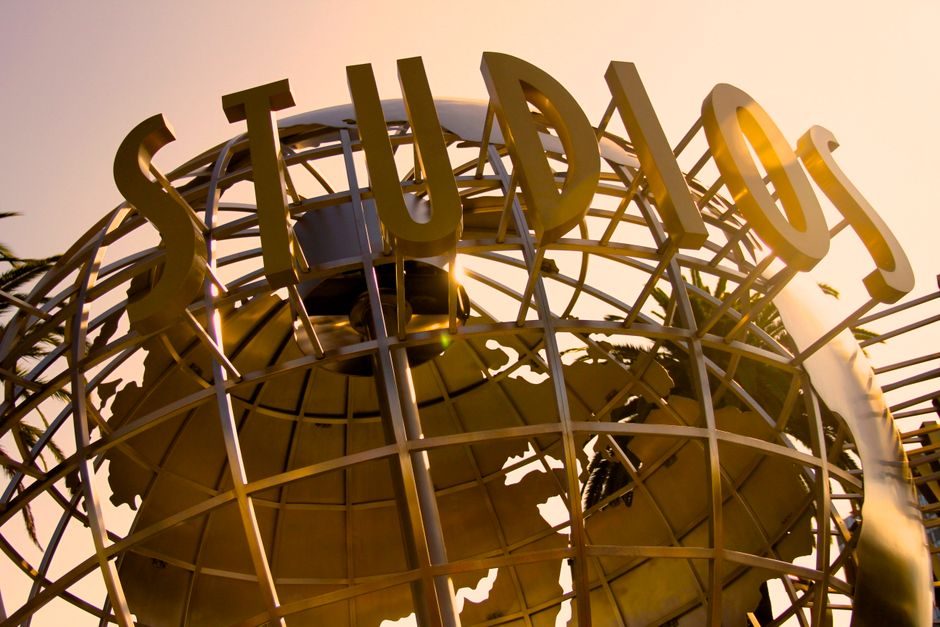
Landmarks From Key Scenes
Griffith Observatory is one of the film’s most recognizable locations, associated with Mia and Sebastian’s visit and the observatory dance sequence. Its elevated setting also offers a real sense of the city’s hills and basin. Check the observatory’s current visitor information before going, since building access and outdoor access may not follow the same schedule.
Downtown, Angels Flight and Grand Central Market offer a contrasting pair of stops connected with the film’s city scenes. Angels Flight is a historic funicular railway, while Grand Central Market is a busy food hall with its own daily rhythm. Their central locations make them easier to combine than sites spread across the wider Los Angeles area.
The Lighthouse Cafe in Hermosa Beach is another recognizable stop for fans recalling the film’s music-centered moments. It is an operating venue, not a preserved movie set, so check its current hours and be considerate of patrons. A visit can work well as part of a beach-area outing, but it is not close to the downtown locations.
- Griffith Observatory for hillside views and a signature sequence.
- Angels Flight for a downtown landmark connected with the film.
- Grand Central Market for a lively setting and food break.
- Lighthouse Cafe for a music-related stop near the coast.
Look Beyond The Famous Stops
Fans may also recognize places such as Cathy’s Corner in Griffith Park, where Mia and Sebastian share a quieter moment. The setting is a park location rather than a formal attraction with a dedicated visitor experience. Check maps and park guidance before heading out, and be prepared for a walk from the nearest practical stopping point.
The Rialto Theatre in South Pasadena appears in the film and can interest viewers who want to look beyond the best-known landmarks. Historic buildings may have changing uses or access rules, so plan to view the exterior unless current information confirms entry. A respectful visit avoids disrupting the people who use or manage the property.
If you want to share your own researched location guide, buy guest posts online may help you find places to publish it; keep the article focused on verified scene details and practical visitor information. A useful guide distinguishes a confirmed filming site from a place that merely resembles one. That care helps other fans make informed plans and protects local businesses from inaccurate claims.
How to Plan a Film-Location Walk
Group Stops By Area
Build your outing around a compact cluster instead of trying to cover every location in one continuous walk. Downtown stops such as Angels Flight and Grand Central Market can be paired, while Griffith Park and the observatory need their own travel and walking arrangements. The Lighthouse Cafe belongs to a separate beach-area plan, not a casual extension of downtown.
MediaKit.uk can help a fan writer explore publishing options when turning location research into a travel article; for the visit itself, start by grouping stops on a map. Mark the places you most want to see, then check the distance between them using realistic walking and transit routes. A map view can make the region’s spread clear before you commit.
Allow time for the experience at each stop, not only the journey between them. At a market or cafe, you may want a meal or a quiet look around; at a park, the approach can involve walking beyond the exact scene location. A schedule with breathing room is more useful than a tightly packed checklist.
- Choose one area as the day’s anchor.
- Check walking routes and transit connections between stops.
- Separate distant coastal and downtown visits.
- Leave time for meals, views and access delays.
| Approach | Best for | Planning note |
|---|---|---|
| Downtown cluster | Angels Flight and Grand Central Market | Check current venue access |
| Griffith Park outing | Observatory and nearby park settings | Allow time for walking |
| Beach-area stop | Lighthouse Cafe visit | Plan separately from downtown |
| Full-day route | Several locations across areas | Build in travel and breaks |
Check Access Before Leaving
Confirm opening details for places where you hope to go indoors, and check park or venue guidance for outdoor sites. A location’s appearance in a film does not mean every area is open to visitors now. If a stop is temporarily inaccessible, decide in advance whether an exterior view or a nearby alternative would still make the trip worthwhile.
Think through how you will reach the first stop and return at the end. Los Angeles visits can involve a mix of walking, public transit and driving, and the best combination depends on the locations and time of day. Check current service information rather than relying on an old itinerary or assumptions from a movie scene.
Keep a saved list of addresses and a note about what each one represents in the film. That simple preparation helps when several places have similar names or when you need to adjust the route on the day. Carry water and suitable walking shoes, especially if your plan includes park paths or extended outdoor stops.
A short visit works best when you choose one area and a small number of priorities, rather than trying to cross the region between scenes.
Choosing Between a Short Visit and a Full-Day Tour
Make A Focused Short Visit
A short visit works best when you choose one area and a small number of priorities, rather than trying to cross the region between scenes. Downtown is a practical choice for combining recognizable sites nearby, while Griffith Park suits visitors who want a hillside setting. Pick the cluster that matches the scenes you care about most.
A focused outing can leave room to enjoy the place instead of watching the clock. Spend time comparing a scene with its real surroundings, take a break, and account for the walk from transport or parking. If you are arranging a public announcement about a fan-led location walk, press release distribution uk could be one option to explore.
Before setting out, check whether your chosen stops are open or accessible and identify a simple fallback. A market visit may still be enjoyable if a nearby attraction is closed, while a park walk may need a different start point if access changes. Keeping the plan modest makes it easier to adapt without losing the film connection.
- Choose one location cluster.
- Prioritize the scene or landmark you most want to see.
- Check access and travel connections.
- Keep a nearby alternative in reserve.
Build A Full-Day Route
A full day gives you more flexibility to visit locations in different parts of the region, but it still needs a geographic plan. Avoid treating a list of addresses as a ready-made route; travel time, traffic, opening information and walking approaches all affect what fits comfortably. Choose a few anchor stops, then add nearby places only if the route allows.
You can shape the day around a mood as well as a map: pair the observatory with a park walk, or combine downtown landmarks with time to eat at Grand Central Market. A coastal stop such as the Lighthouse Cafe makes more sense as a distinct leg, with its own travel time. Check each venue’s current details before finalizing the order.
A longer itinerary benefits from deliberate breaks and a clear end point. Save directions and addresses in advance, and decide which stop you are willing to skip if travel takes longer than expected. That flexibility lets you enjoy the places you reach instead of turning a fan visit into a race through scenes.
Checking Access and Respecting Working Spaces
Check Before You Set Out
Confirm that a place is publicly accessible before adding it to your route, because a recognizable film setting may now be private property or an active business. Check the site’s current visitor information, posted signs, and opening hours rather than relying on an old fan map. If access is unclear, enjoy the location from a public sidewalk or choose another stop.
- Choose the location and verify its current visitor information.
- Check opening hours, access rules, and any posted restrictions.
- Plan a public route that does not cross private property.
- Follow on-site directions and leave if access is refused.
Treat filming locations as working spaces, not sets held open for visitors. A restaurant may have changed hands, a building may restrict entry, and a residential street may be busy with people going about their day. Keep visits brief, avoid blocking entrances, and follow staff or security instructions without argument.
If you are part of a fan group that publishes announcements under its own name, white label press release distribution may be a resource to investigate when sharing a visit update. For an ordinary location stop, though, the practical priority is checking access and behaving considerately. Save the address, access notes, and any restrictions together so the group can make a respectful plan.
Be Considerate on Location
Keep a low profile when taking photographs, especially near homes, schools, and busy businesses. Frame the building or street without including identifiable strangers where possible, and never point a camera through a window. If someone asks you to stop, put the camera away and move on rather than turning the encounter into a confrontation.
Do not recreate a scene in a way that obstructs traffic or inconveniences people nearby. A dance or group photo belongs in a safe, open public space, not in a road, doorway, or shop queue. If a location is crowded, take a quick exterior photograph or return at a quieter time.
Travel with a flexible alternative in case a stop is closed, crowded, or off-limits. This prevents disappointment from turning into pressure on staff or residents, and it makes the day easier to adjust. Note the nearest public viewing point before leaving home, then use it if the exact filming spot cannot be reached.
Keeping a Record of the Places You Find
Build a Useful Location Log
Record each place with its name, approximate address, and the scene or visual detail you associate with it. Add the date you checked access and whether the location was open to visitors, since businesses and policies can change. A compact note is more useful on the day than a long list of unverified pins.
- ☐ Save the location name and a usable address.
- ☐ Record the scene detail that helped identify the place.
- ☐ Note current access information and the date checked.
- ☐ Keep an offline copy of your route and notes.
Separate confirmed information from guesses in your notes. For example, mark a location as “possible match” if the street view resembles a scene but you have not found a reliable identification. Writers documenting the trip for other fans may consider guest posting services uk as one way to place a location feature, after checking every detail they plan to share.
Keep a copy of your notes offline, particularly if you expect to move between neighborhoods or have limited mobile reception. Save a map screenshot and the essential addresses before setting out, but avoid storing sensitive personal details about residents. If you revise a location identification later, update the note rather than leaving conflicting versions in circulation.
Photograph Details With Context
Take a wide view that shows how a spot fits into its surroundings, then capture one or two details that help you recognize it later. A street corner, staircase, or distinctive sign can be more useful than a close-up with no context. Check for traffic and other visitors before stopping to compose a shot.
Add a short caption to each image while the visit is fresh. Mention what you believe the photograph shows and whether the identification is confirmed, rather than presenting a resemblance as fact. This small habit helps you distinguish the film location from nearby places that look similar and makes future sharing clearer.
Keep original photographs together with their captions and route notes, and back them up somewhere you can access later. If you crop or edit an image for a post, retain the original so you can check the setting accurately. Avoid photographing people who are not part of your group, and review the background for private details before sharing.
Sharing a Film-Location Guide With Other Fans
Make a Guide Easy to Use
Organize a fan guide around practical visits rather than a bare list of addresses. For each stop, explain what viewers may recognize, what can be seen from public space, and whether visitors should check current access first. Readers can then decide whether a place suits their schedule without assuming every filming location is open to enter.
A common misconception is that every identifiable filming location can be visited exactly as it appears on screen. The fact is that locations may be private, altered, closed, or accessible only from a public viewpoint. If you are assembling a directory of film and travel resources, an seo agency directory may help when you are looking for professional support.
Use clear labels such as “exterior view” or “access not confirmed” when a stop has limits. Give directions in plain language and avoid publishing details that would encourage visitors to enter private property. A useful guide helps fans appreciate the film’s real-world settings while making it easy to skip a stop that is unsuitable or unavailable.
Share Photos Responsibly
Choose images that help another fan identify a location without exposing people who happen to live or work there. Check reflections, house numbers, and other personal details in the frame before posting. If a business is shown, describe only what you observed during your visit and avoid implying that it endorses the film or your guide.
Credit the photographer and explain when a location identification is uncertain. A caption such as “this corner resembles the scene” is more responsible than a definite claim based only on visual similarity. If another fan points out an error, correct the post and update any linked map so the revised information reaches readers.
Make your route easy to adapt by noting walking distances in general terms and identifying places where visitors may need to verify entry. Avoid presenting a tight schedule as a guarantee, since traffic, crowds, and business hours can change the experience. A concise, carefully checked guide gives fans a practical starting point while leaving room for respectful choices.
Making the Most of a Los Angeles Movie Trip
Leave Room for Changes
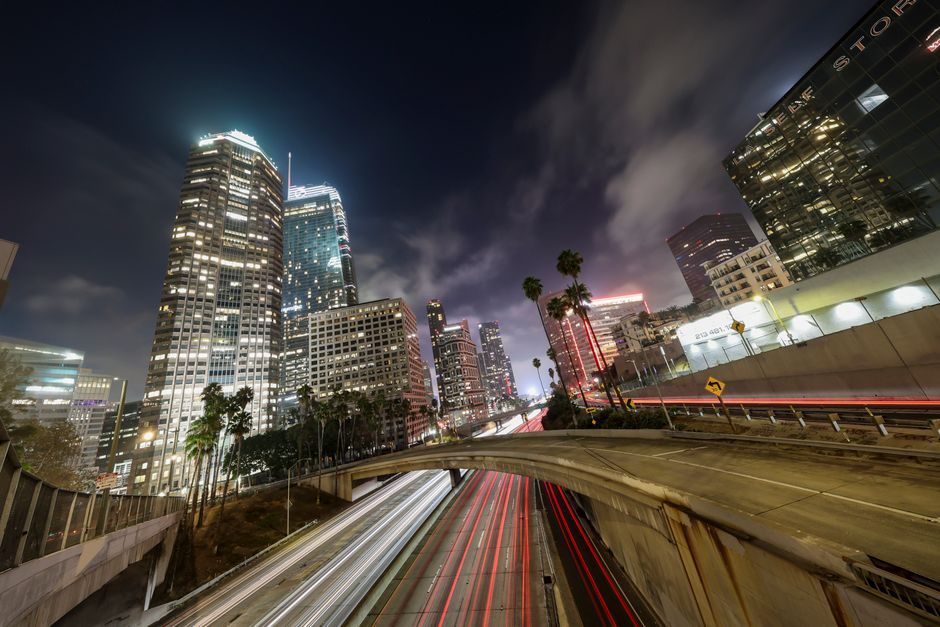
Build a movie-location day around a few priorities, then leave space to adjust when a stop is closed or takes longer than expected. Los Angeles is spread out, so grouping nearby places usually makes more sense than crossing the city repeatedly for a single photograph. Check the route on the day and allow time for parking, walking, and breaks.
A common pitfall is treating a film itinerary as a fixed checklist and rushing through every stop. That can leave little time to appreciate the setting, notice changes since filming, or respond to access restrictions. Choose the locations that matter most to you, and regard any additional stop as a bonus rather than a requirement.
Carry water, comfortable walking shoes, a charged phone, and a saved copy of your route. Use transit, rideshare, or a car according to the distance and conditions, and confirm parking or transit details before departure. If the day becomes crowded or tiring, shorten the plan instead of taking risks to keep to an ambitious schedule.
Connect the Stops to the Film
Before visiting, revisit the relevant scenes or stills so you know what visual details to look for. Focus on architecture, a view, or the way a street is framed, since the real place may look different from its edited appearance on screen. This preparation makes a brief exterior visit feel connected to the film rather than like an address check.
Compare the scene with the present-day setting, but expect changes in businesses, signage, landscaping, and surrounding construction. A film can combine angles or use camera placement to make a location appear different, so do not assume that every detail will match. Take a moment to notice what remains recognizable and what has changed.
End the day by reviewing your photographs and notes while the route is still clear in your memory. Mark which places were easy to reach, which needed more research, and which you would recommend only with an access check. That reflection turns a personal outing into better information for your next visit or for other Emma Stone fans planning theirs.
Frequently asked questions
Can I see La La Land locations without a car?Yes, but plan around clusters rather than expecting to reach every location in one easy route. Check current transit options and walking distances for each stop, and consider using a taxi or rideshare for gaps that are inconvenient on foot. Save addresses offline and leave extra time for transfers. A shorter route built around a few nearby places can be more enjoyable than an ambitious citywide checklist.
Are La La Land filming locations marked with signs?Some places may have signs or public information, but visitors should not expect a marker at every filming spot. Many locations are ordinary streets, businesses, or buildings that continue to serve their usual purpose. Use reliable location information to identify a place, then confirm that it remains accessible. If the match is uncertain, describe it as a possible location rather than treating it as established fact.
Can I go inside the places shown in the film?Only when the location is open to the public and its current rules allow visitors. A setting may be a private home, a business with customers to serve, or a property with restricted entry. Check the venue’s current visitor information and respect signs and staff directions. If you cannot enter, viewing the exterior from a public place may still let you recognize its role in the film.
What should I do if a location has changed?Treat changes as part of the visit rather than a reason to trespass or confront anyone. Compare the current surroundings with the scene, take a respectful public-view photograph if appropriate, and update your notes so you do not repeat outdated information. If you share a guide, explain what has changed and when you checked. That gives other fans a realistic picture without overstating what remains.
Take the Film With You, Respectfully
A visit to La La Land’s Los Angeles works best when the film is a guide to noticing the city, not a reason to treat real places as a set. Check access, keep a flexible route, and record what you actually find. Those habits help you enjoy the recognizable details while respecting the people who live, work, and spend time around them.
Choose one or two locations you most want to see, verify their current access, and save the route before you leave. Bring the scene to mind, then give the real setting time to surprise you: it may have changed, but its connection to Emma Stone’s film can still make the stop meaningful. Share any notes with care so fellow fans can plan responsibly too.

Add Emma Stone Fan Page as a preferred source on Google


