
Why Dundee News online matters for athletes and fans
A practical explainer for sports readers: how Dundee News online helps teams, athletes, and fans stay informed, with clear actions and pitfalls to avoid.

Dundee News online answers a simple question for athletes and fans: where can you get fast, reliable local updates that actually affect performance and planning? This explainer shows how a local news site can become a useful tool for training, transfers, and match preparation. You’ll learn what kinds of reporting to value, and how to use those stories on and off the field.
First, identify what matters in sport reporting: timeliness, accuracy, and relevance to your team. Second, separate hype from usable data—scores, injuries, schedules, and venue changes matter most. Third, turn those reports into action: adjust training, plan travel, or scout opponents with confidence.
Finally, we’ll map practical steps to access Dundee News online, evaluate its credibility, and apply its updates to your routines. The goal is a steady flow of dependable local information that supports performance, planning, and community engagement.
- Dundee News online is a practical local resource for athletes and fans. It pairs timely schedules, injury notes, and venue changes with clear, usable context.
- Use it alongside official club channels to verify updates before acting on them.
- The article outlines how to integrate updates into training, travel, and preparation so you stay agile on game days.
Basics of local sports news
What Dundee News online covers
Dundee News online provides daily updates about local teams, fixtures, injuries, and club announcements. It curates statements from clubs and local authorities so readers don’t chase scattered sources. Use these briefs to confirm schedules and travel plans without leaving your training routine.
- Timely local updates matter for training and travel
- Verify with a second source before acting
- Focus on schedules, injuries, and venue changes
These updates help players and staff avoid missed sessions and double-bookings. For fans, the site offers context on rival form and community events that influence weekend planning. The breadth is useful, but focus on timely items that affect your performance calendar.
The most practical use is cross-checking two or three trusted outlets to verify a major update before making decisions.
- Check schedule changes early in the week
- Note injury updates that affect lineups
- Watch for venue mods or travel advisories
- Track sponsor or fixture changes
- Confirm post-match press notes
How to judge credibility
credibility in local outlets hinges on speed without sensationalism. Look for direct quotes, official statements, and corroboration from club channels. If details are sparse, treat the item as a pending update rather than a plan.
Use the site’s archives to spot patterns: consistent coverage on match days, predictable injury reporting, and timely corrections signal reliability. Suspicious claims deserve a cautious approach and a cross-check with official team pages.
Develop a habit of bookmarking the main Dundee News online page and the club’s own announcements so you see the same story from multiple angles.
- Look for official quotes
- Check dates on articles
- Cross-check with club pages
- Note corrections when they appear
- Avoid relying on a single source
What it means for training and travel

Incorporating updates into practice
When schedules shift or travel plans change, adjust training modules to avoid wasted sessions. If a match is moved, reschedule warm-ups and recovery blocks to fit the new timing. This prevents fatigue and keeps performance consistent. If you’re checking what's on in Dundee, combine the site with official fixtures for a full picture.
Use the site’s injury notes to modify drills or push-back heavy workloads. A minor doubt about a player’s availability should trigger a lighter day to protect the squad.
Communicate changes clearly to the group with a brief team note so everyone aligns and avoids confusion.
- Adjust weekly plan in light of updates
- Reschedule travel and warm-ups
- Protect players with cautious load management
- Confirm all changes with staff and players
Travel planning through updates
Travel plans hinge on late notices about delays, substitutions, or venue changes. Use Dundee News online as a first-stop source for itinerary tweaks and arrival windows. This helps prevent last-minute scrambles that undermine preparation.
Coordinate with travel coordinators by sharing verified updates quickly. Rely on official club messages first, then supplement with the local news site for extra context.
Always carry a light contingency schedule for on-the-go changes and allow buffer time for transit.
- Verify venue details before departure
- Share updates with the team room
- Keep a spare copy of schedules
- Prepare for weather-related shifts
- Confirm meal and rest times with staff
What to watch for in the reporting
Key reporting signals
Look for concrete information like dates, times, and official sources. Plain language summaries help you grasp implications quickly without wading through fluff. Practical takeaways should stand out in the first paragraph. To recruit eyes for local attention, use a call to action like list your business in Dundee in your community notes.
Notice clarifications or corrections in follow-up posts; a reputable outlet updates readers when new facts emerge. This transparency builds trust and makes planning more reliable.
Identify recurring themes—injury status, training modifications, and fixture notices—to build a mental feed of what to expect week by week.
- Dates and times clearly stated
- Official sources cited
- Corrections posted when needed
- Regular coverage of fixtures and injuries
| Method | Pros | Cons |
|---|---|---|
| Direct club updates | Fast, official information | May lack broader context |
| Local news site | Contextual stories | Potentially slower updates |
| Social posts | Immediate alerts | Risk of rumors or incomplete data |
Using the site alongside club channels
Treat Dundee News online as a supplementary lens, not the sole source. Cross-check the outlet with the club’s official channels for a complete picture. This dual approach minimizes blind spots and misinformation.
Create a simple workflow: check Dundee News online first, then verify with the club’s site or social posts. This keeps you fast without sacrificing accuracy.
Share crucial findings with teammates and coaching staff to keep everyone aligned and informed.
- Create a quick verification step
- Maintain a short list of trusted sources
- Share actionable items with the group
Teams and coaches often use local reporting to gauge competition tempo and field conditions, which affects pacing and effort.
Advanced angles for performance readers

Performance data for athletes
Athletes read local news not just for scores but for context around routines, schedules, and training cycles. This section explains how to translate a report into practical notes that influence warmups, travel plans, and game-day decisions. Expect concrete takeaways you can apply in your next practice. Try placing a quick read of local classifieds in Dundee alongside match reports for a balanced view.
Teams and coaches often use local reporting to gauge competition tempo and field conditions, which affects pacing and effort. Use that knowledge to plan recovery days and adjust drill intensity. The aim is to turn news into measurable training adjustments.
Realistic planning comes from spotting patterns in updates, like recurring injuries or venue changes. Track these patterns over a week and map them against your own calendar. That helps you avoid overtraining and stay sharp for key matches.
- Track recurring topics (injuries, venue changes) and time your practice
- Adjust warmups if updates mention cold or hard surfaces
- Coordinate travel with notice if venues shift schedules
- Use local reports to predict opponent readiness
Platforms and formats for updates
Where to get updates quickly
Local sports news appears in multiple formats, from quick social posts to longer features. This section helps you pick the best channel for what you need, whether a last-minute field condition note or a detailed match preview. You’ll know where to look first when you’re pressed for time. funeral notices in Dundee} are sometimes carried by local outlets with short updates about community events and upcoming memorial services. While unrelated to competition, such notices can affect venue access or travel plans for teams and supporters near Dundee.
- Set a daily time to scan updates from two trusted outlets
- Bookmark venue alerts and injury reports for quick access
- Create a one-page note with the day’s key changes and your response
- Review updates after practice and adjust the next session
Choosing the right format matters because not every update is equally useful in real-time training. Short alerts work for weather or venue changes, while deeper features suit scouting and strategy. Match formats that suit your role will save minutes and reduce confusion.
Consistency matters: follow a stable mix of sources to avoid gaps between updates and reports. Cross-check a few outlets to confirm a new development before you adjust your plan. The goal is reliable, timely information you can act on.
- Use push alerts for critical changes
- Save long-form reads for post-practice review
- Cross-check with official team channels
- Create a simple, recurring routine for checking updates
Building a local sports information toolkit
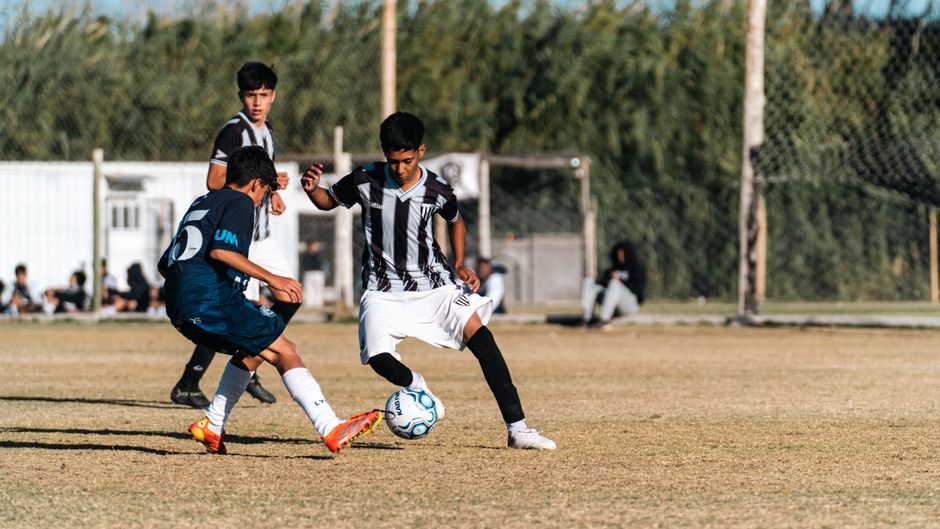
Curating useful local sources
A robust toolkit reduces confusion and speeds decision-making. Start with a core set of reliable outlets and expand gradually as you verify quality. The idea is to have a short, trusted bundle you can rely on during busy weeks.
Evaluate sources by consistency, tone, and factual correctness. Favor outlets that publish timely corrections and provide context for controversial moves. A careful approach protects your planning from misinformation.
Combine traditional reporting with on-site notes from games and training. Your toolkit should include both published stories and your own observations from events. This mix gives a fuller picture for strategy and preparation.
- Identify 3–5 primary sources
- Create a quick-check rule for credibility
- Keep a personal log of useful updates
- Balance online reports with direct event notes
Common mistakes to avoid when using local news
Overreliance on rumor
Relying on unverified rumors can derail training plans and travel arrangements. Always verify claims against official feeds or multiple credible reports before you act. The cost of a mistaken update is often a misaligned session or missed regular training.
Ignore sensational headlines; focus on body content that explains what changed and why. Look for concrete details like dates, venues, and official statements. This keeps your planning grounded in reality.
Don't ignore updates that contradict your expectations. Re-evaluate your plan when new information arrives and adjust with specific steps. Staying flexible protects you from getting stuck in a bad loop.
- Check dates and venues in every update
- Favor direct quotes from official channels
- Avoid acting on single-source rumors
- Reassess plans when new details emerge
Frequently asked questions
How do I verify a local update quickly?Start with two independent sources that have a track record of accuracy. Check dates, venues, and official statements. If a detail doesn’t add up, hold the update and confirm before adjusting training or travel plans.
What formats work best during a busy week?Use brief alerts for urgent changes like venue or weather. Save longer features for planning sessions when you have time to review strategies and scout opponents.
How can I avoid misinformation?Cross-check claims across multiple credible outlets and look for direct quotes or official posts. If something seems off, seek confirmation before acting.
Should I mix sources from different towns?Yes, but prioritize sources with clear local context and credibility. Compare updates across outlets to identify reliable patterns rather than isolated notes.
Next steps and continued use
Develop a simple, repeatable habit to scan local updates before training, and adjust your plan quickly when needed. This builds reliability over time and reduces last-minute stress.
Establish a one-page toolkit you carry to games and workouts, including trusted outlets, a log of updates, and a quick decision checklist. This makes you faster and more accurate when plans shift.
Add Emma Stone Fan Page as a preferred source on Google


