The Essence of Balance in Sports
In the world of sports, balance is not just a physical attribute but a mental and emotional state that separates the good from the great. Whether it’s a gymnast sticking a landing, a surfer riding a wave, or a basketball player executing a perfect layup, balance is the cornerstone of athletic excellence. Understanding and mastering balance can significantly enhance an athlete’s performance, making it a critical skill to develop.
The Science Behind Balance
Balance is a complex interplay of various physiological and neurological processes. It involves the coordination of the visual, vestibular, and proprioceptive systems. The visual system provides information about the environment, the vestibular system in the inner ear helps with spatial orientation, and the proprioceptive system gives feedback on body position and movement. Together, these systems work to maintain equilibrium and prevent falls.
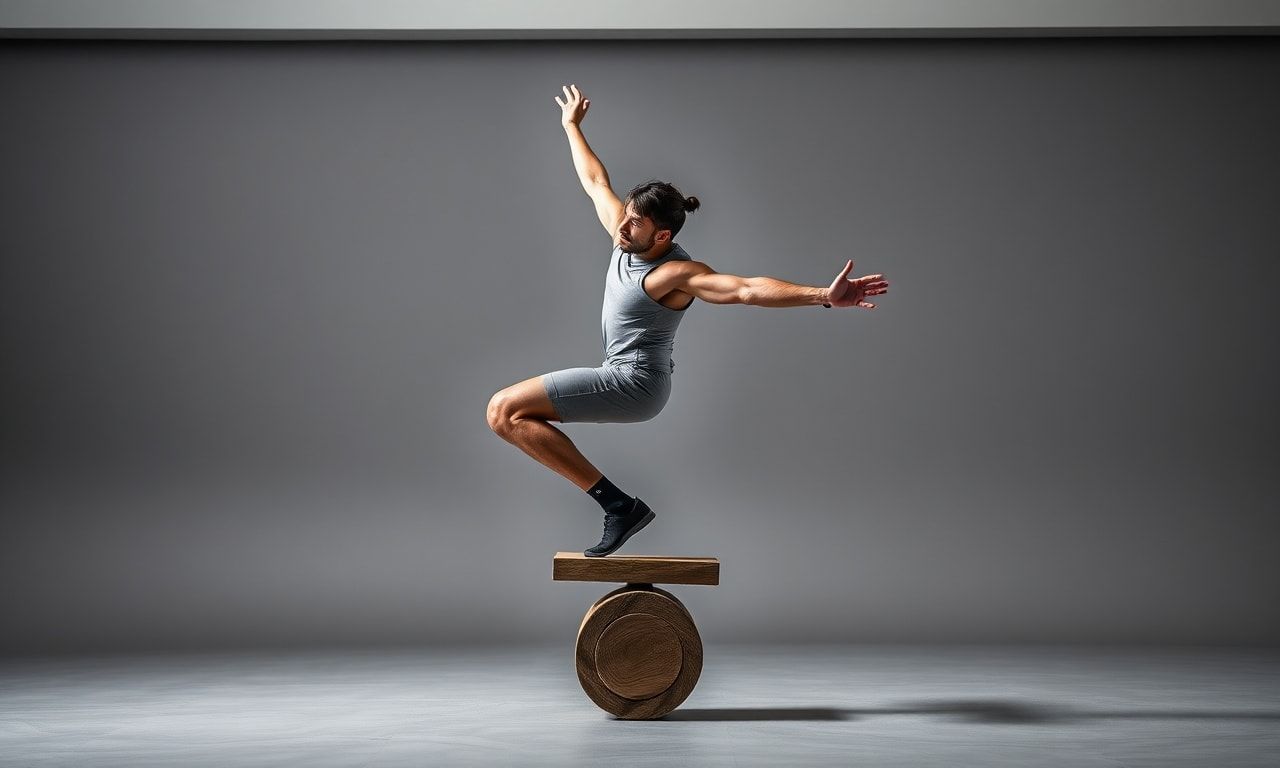
For athletes, balance training is essential. It improves stability, reduces the risk of injuries, and enhances overall performance. Techniques such as single-leg stands, balance boards, and stability balls are commonly used to develop this skill. Additionally, understanding how to use balance in your artwork can also provide unique insights into the importance of equilibrium in various forms of expression.
How to Use Balance in Your Artwork
Just as athletes strive for balance, artists also seek equilibrium in their work. Whether it’s through composition, color, or form, balance is a fundamental principle of art. For those interested in exploring this concept further, resources like how to use balance in your artwork can offer valuable techniques and tips to enhance your creative projects. By understanding the principles of balance, artists can create more harmonious and visually appealing works.
Balance in Different Sports
Different sports require varying degrees of balance, and athletes must adapt their training accordingly. For example, gymnasts need exceptional balance to perform complex routines on the beam or floor. Similarly, surfers must maintain balance while riding waves, adjusting their center of gravity to stay upright. In team sports like basketball and soccer, balance is crucial for agility and quick changes in direction.
Gymnastics: The Pinnacle of Balance
Gymnastics is perhaps the sport that most exemplifies the importance of balance. From the balance beam to the floor exercises, gymnasts must maintain perfect equilibrium to execute their routines flawlessly. Training involves a combination of strength, flexibility, and mental focus. Gymnasts often use visualization techniques to enhance their balance, imagining themselves performing each move with precision and grace.
Surfing: Riding the Waves with Equilibrium
Surfing is another sport where balance is paramount. Surfers must constantly adjust their body position to stay upright on the board, using their core strength and proprioceptive feedback to maintain stability. The ever-changing nature of the waves adds an extra layer of complexity, requiring surfers to be highly adaptable and quick-thinking.
Training for Balance
To improve balance, athletes can incorporate a variety of exercises into their training regimen. These include:
- Single-Leg Stands: Standing on one leg for extended periods helps build stability and strength in the supporting leg.
- Balance Boards: Using a balance board or wobble board challenges the body to maintain equilibrium on an unstable surface.
- Stability Balls: Exercises on a stability ball engage the core muscles and improve overall balance.
- Yoga and Pilates: These disciplines focus on body awareness and control, enhancing both physical and mental balance.
The Mental Aspect of Balance
While physical balance is crucial, the mental aspect is equally important. Athletes must maintain focus and composure under pressure, using their mental balance to stay calm and make quick decisions. Techniques such as mindfulness meditation, visualization, and positive self-talk can help athletes develop the mental resilience needed to perform at their best.
In conclusion, balance is a multifaceted skill that plays a vital role in athletic performance. By understanding the science behind balance, incorporating balance-specific training into their routines, and developing mental resilience, athletes can achieve greater heights in their respective sports. Whether you’re a gymnast, a surfer, or a team athlete, mastering the art of balance can lead to a more successful and fulfilling sports career.
Discover how Paris is redefining athleticism by diving into sport’s thrilling evolution, where tradition meets cutting-edge innovation.
Dive into the fascinating blend of competition and tradition with London’s 2026 Olympic vision, where we explore how the games might shape and reflect our cultural landscape.
As sports technology evolves, don’t miss AI’s impact on tech innovation—it’s reshaping how we train and compete.