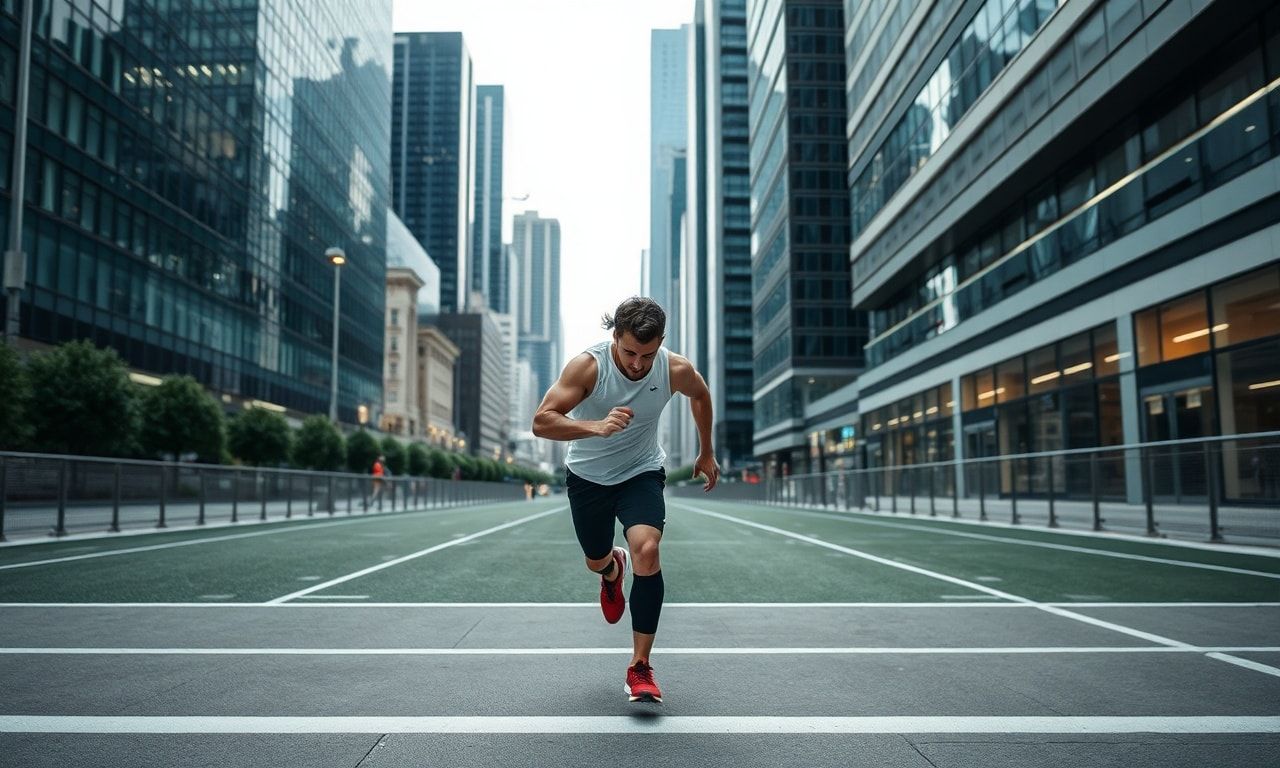
The Rise of Urban Sports
The landscape of sports and fitness is undergoing a significant transformation, with urban environments becoming hubs for athletic innovation. Cities around the world are embracing the concept of urban sports, integrating fitness into the daily lives of their residents. This shift is not only making sports more accessible but also fostering a sense of community and well-being among city dwellers.
Urban sports encompass a wide range of activities, from traditional sports like basketball and soccer to more contemporary pursuits such as parkour, street workouts, and urban cycling. These activities are often characterized by their adaptability to the urban environment, utilizing public spaces, parks, and even architectural features as venues for physical activity.
One of the key drivers behind the rise of urban sports is the growing awareness of the importance of physical health. With sedentary lifestyles becoming increasingly common, cities are looking for ways to encourage their residents to stay active. Urban sports provide a convenient and engaging way for people to incorporate exercise into their daily routines, whether it’s a quick workout during a lunch break or a more structured fitness session after work.
The Role of Community and Social Interaction
Urban sports are not just about physical activity; they also play a crucial role in building community and social connections. Participating in sports within the city often involves interacting with neighbors, joining local clubs, or participating in organized events. This social aspect can enhance the overall experience, making fitness more enjoyable and sustainable.
Many cities have recognized the value of urban sports in fostering social cohesion and have taken steps to support these activities. For example, some municipalities have invested in the development of urban sports parks, which feature specialized equipment and facilities designed for various sports and fitness activities. These parks serve as gathering places for athletes and fitness enthusiasts, promoting a sense of belonging and camaraderie.
In addition to physical and social benefits, urban sports also contribute to the overall vibrancy of city life. They add energy and dynamism to public spaces, making cities more lively and attractive. This can have a positive impact on urban development, as areas with active sports communities often become focal points for social and economic activity.
Innovative Urban Sports Initiatives
Cities around the world are implementing innovative initiatives to promote urban sports and make fitness more accessible to their residents. One notable example is the concept of “Frankfurt Internationale Selbstversorgung im urbanen Raum,” which focuses on self-sufficiency and sustainability in urban environments. This initiative encourages residents to engage in physical activities that promote self-reliance and environmental awareness, such as urban gardening and community fitness programs. By integrating sports and fitness into the broader context of urban sustainability, cities can create a holistic approach to health and well-being.
Another innovative approach is the use of technology to enhance urban sports experiences. Many cities are leveraging digital platforms to organize fitness events, provide training resources, and connect athletes with local sports communities. For instance, mobile apps can be used to locate nearby sports facilities, join fitness challenges, or participate in virtual training sessions. These technological advancements make it easier for individuals to stay active and engaged, regardless of their location or schedule.
Furthermore, urban sports initiatives often emphasize inclusivity and diversity, ensuring that everyone has the opportunity to participate. This includes providing accessible facilities, offering programs for different age groups and skill levels, and promoting gender equality in sports. By creating an inclusive environment, cities can ensure that urban sports benefit a wide range of residents, fostering a more equitable and healthy society.
The Future of Urban Sports
As urbanization continues to grow, the importance of urban sports will only increase. Cities will need to adapt to the changing needs of their residents, providing more opportunities for physical activity and community engagement. This may involve investing in new infrastructure, developing innovative programs, and fostering partnerships with local organizations and businesses.
One area of potential growth is the integration of urban sports into urban planning and design. By incorporating sports facilities and recreational spaces into the fabric of the city, urban planners can create environments that naturally encourage physical activity. This could include the development of green spaces, bike lanes, and multi-purpose sports courts that can be used by residents throughout the day.
Additionally, cities can explore the potential of urban sports to address broader social and environmental challenges. For example, sports can be used as a tool for promoting mental health, reducing crime, and improving air quality. By leveraging the power of urban sports, cities can create a more sustainable and resilient future for their residents.
The evolution of urban sports represents a significant opportunity for cities to enhance the quality of life for their residents. By embracing fitness and physical activity, urban environments can become healthier, more vibrant, and more connected. As cities continue to innovate and adapt, the future of urban sports looks bright, promising a new era of health and well-being for urban dwellers around the world.
As you gear up for the next big game or marathon, don’t forget to express your unique style; check out our guide to music festival fashion trends for some inspiration!
If you’re a sports enthusiast looking for a new adventure, discover the vibrant energy of Frankfurt in Germany’s dynamic sports hub and uncover the opportunities that await in this city of contrasts.