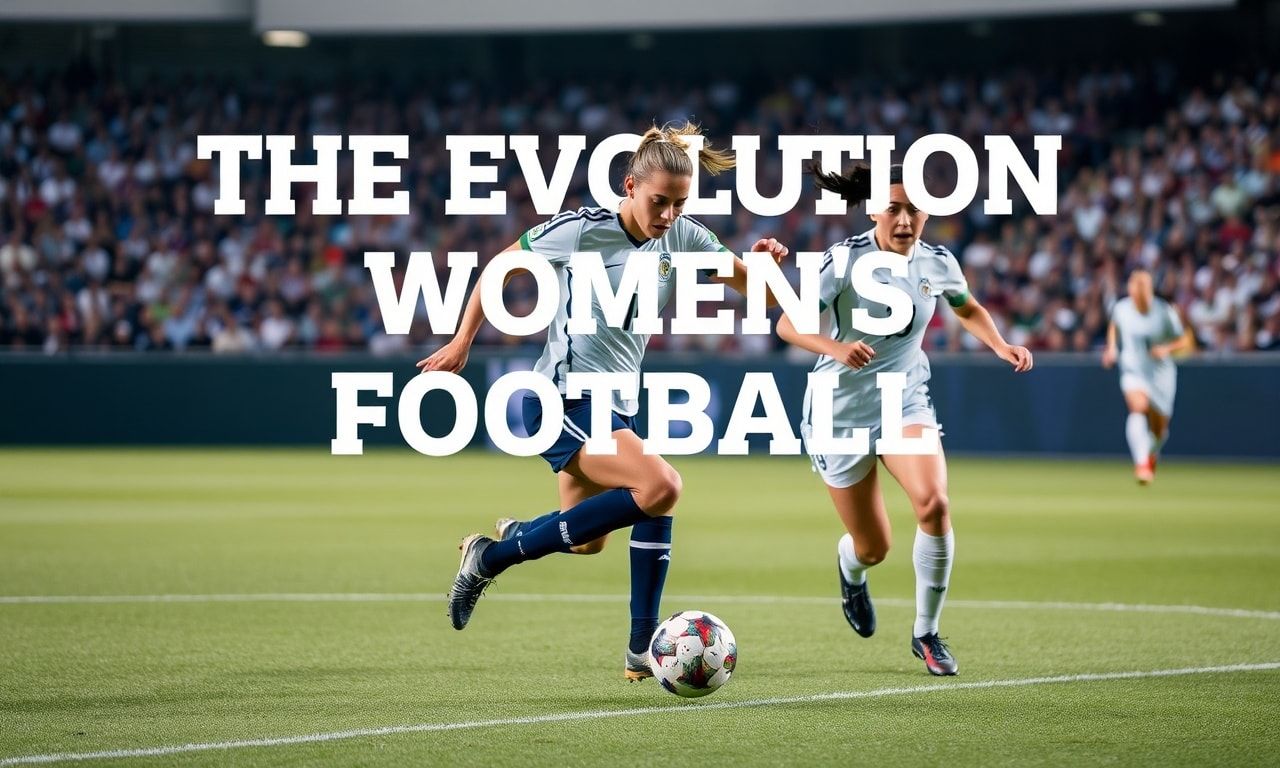
The Rise of Women’s Football
Women’s football has experienced a remarkable transformation over the past few decades, evolving from a niche sport to a global phenomenon. The journey has been marked by increased investment, media coverage, and cultural acceptance. Today, women’s football is not just a sport but a symbol of gender equality and empowerment. The growth of the sport can be attributed to various factors, including the establishment of professional leagues, the success of national teams, and the advocacy for equal opportunities.
The Impact of Major Tournaments
Major tournaments such as the FIFA Women’s World Cup have played a pivotal role in popularizing women’s football. These events provide a platform for athletes to showcase their skills and inspire the next generation of players. The 2019 FIFA Women’s World Cup, held in France, was a watershed moment, drawing record-breaking viewership and highlighting the sport’s global appeal. The tournament also sparked conversations about gender equality in sports, with athletes like Megan Rapinoe and Alex Morgan becoming household names and advocates for change.
In addition to international tournaments, domestic leagues have also contributed to the growth of women’s football. Leagues like the FA Women’s Super League in England, the National Women’s Soccer League in the United States, and the Women’s Bundesliga in Germany have provided professional opportunities for athletes and increased the sport’s visibility. These leagues have also fostered a competitive environment that has raised the standard of play and attracted top talent from around the world.
The Role of Media and Sponsorship
The media has played a crucial role in the evolution of women’s football. Increased coverage of matches, player profiles, and behind-the-scenes content has helped to build a fan base and generate interest in the sport. Social media platforms have also provided a direct channel for athletes to connect with fans and share their stories. Sponsorship deals with major brands have further elevated the profile of women’s football, providing financial support and resources for teams and players.
For instance, the Glasgow culture news update often features stories about local football clubs and their impact on the community. This kind of coverage not only highlights the sport’s cultural significance but also fosters a sense of pride and support among fans. The intersection of sports and culture is a powerful force that drives the growth and popularity of women’s football.
The Future of Women’s Football
The future of women’s football looks bright, with continued growth and development on the horizon. Efforts to promote gender equality and increase investment in the sport are gaining momentum. Initiatives such as the FIFA Forward Program and the Women’s Football Development Program aim to support the growth of women’s football at all levels, from grassroots to elite competition.
Additionally, the establishment of professional academies and training programs is crucial for nurturing young talent and ensuring the long-term success of the sport. These programs provide athletes with the necessary skills and support to excel in their careers and represent their countries at the highest level. The focus on youth development is essential for sustaining the growth of women’s football and ensuring its continued success.
Challenges and Opportunities
Despite the progress made, women’s football still faces challenges, including gender pay gaps, unequal resources, and societal biases. Addressing these issues requires a collective effort from stakeholders, including governing bodies, clubs, sponsors, and fans. By advocating for equal opportunities and resources, we can create a more inclusive and equitable environment for women’s football to thrive.
Opportunities for growth abound, particularly in regions where women’s football is still emerging. Expanding the sport to new markets and engaging with local communities can help to broaden its appeal and attract a diverse fan base. Collaborations with other sports organizations and cultural events can also enhance the visibility and impact of women’s football.
Conclusion
The evolution of women’s football is a testament to the power of sports to drive social change and inspire future generations. From its humble beginnings to its current status as a global phenomenon, women’s football has overcome numerous challenges and achieved remarkable success. As we look to the future, it is essential to continue advocating for gender equality, investing in the sport, and celebrating the achievements of women athletes. By doing so, we can ensure that women’s football continues to thrive and inspire.
As athletes and fitness enthusiasts, we’re always on the move, and understanding where we’ll be living next is crucial; dive into the latest housing market insights to stay ahead of the game.
Discover the captivating fusion of two worlds in sports and artistic expression, where passion meets creativity in unexpected ways.