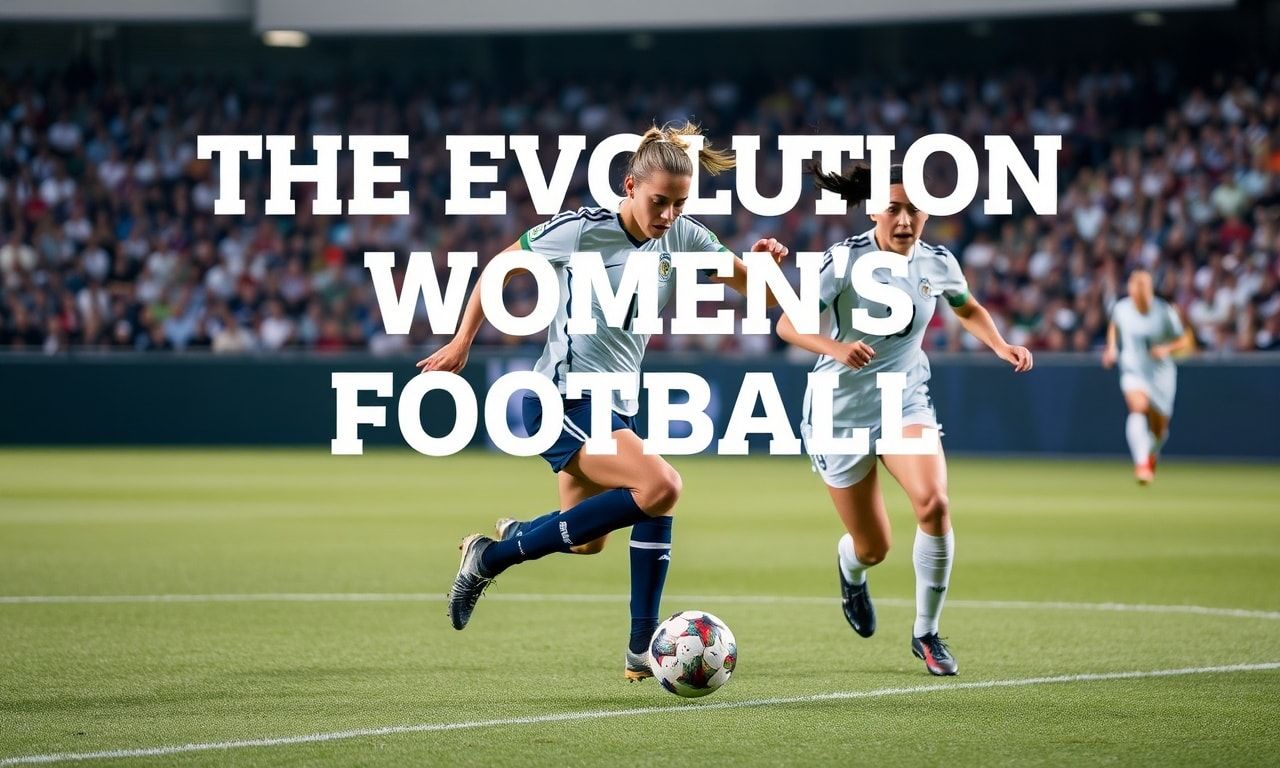
The Rise of Women’s Football
The world of sports has witnessed a remarkable transformation in the realm of women’s football. What was once considered a niche sport has burgeoned into a global phenomenon, captivating millions of fans and inspiring a new generation of athletes. The journey of women’s football is a testament to the power of perseverance, passion, and the relentless pursuit of equality in sports.
From the early days of informal matches to the establishment of professional leagues and international tournaments, women’s football has come a long way. The inception of the FIFA Women’s World Cup in 1991 marked a significant milestone, providing a platform for elite female athletes to showcase their skills on a global stage. Today, the tournament attracts viewers from all corners of the world, underscoring the sport’s universal appeal.
The Impact of Iconic Players
Iconic players have played a pivotal role in shaping the landscape of women’s football. Legends like Marta, Abby Wambach, and Megan Rapinoe have not only broken barriers but also paved the way for future generations. Their exceptional talent, leadership, and advocacy for gender equality have left an indelible mark on the sport.
These trailblazers have inspired countless young girls to take up the sport, fostering a culture of inclusivity and empowerment. Their stories of resilience and determination serve as a beacon of hope for aspiring athletes, proving that gender should never be a barrier to achieving greatness in sports.
The Growth of Professional Leagues
The establishment of professional leagues has been instrumental in the growth of women’s football. Leagues such as the National Women’s Soccer League (NWSL) in the United States, the Women’s Super League (WSL) in England, and the Division 1 Féminine in France have provided a structured pathway for players to hone their skills and compete at the highest level.
These leagues have not only enhanced the quality of play but also increased the visibility of women’s football. The rise of professional leagues has attracted sponsorships, media coverage, and fan engagement, contributing to the sport’s overall growth and development.
The Role of Media and Fan Engagement
Media coverage and fan engagement have played a crucial role in popularizing women’s football. The increased visibility of the sport on television, social media, and digital platforms has helped to break down stereotypes and challenge traditional gender norms. Fans from diverse backgrounds are now actively supporting and celebrating the achievements of female athletes.
Moreover, the rise of grassroots movements and advocacy groups has amplified the voices of women in sports. Initiatives such as the #EqualPay and #WatchHerShine campaigns have highlighted the importance of gender equality and fair compensation in sports. These movements have garnered widespread support, further fueling the growth of women’s football.
The Influence of Local Communities
Local communities play a vital role in nurturing talent and fostering a love for the game. Grassroots programs and youth academies provide young girls with the necessary resources and support to develop their skills. These programs not only focus on athletic development but also emphasize the importance of teamwork, discipline, and sportsmanship.
In addition, local communities often host tournaments and events that bring together players, coaches, and fans. These gatherings create a sense of camaraderie and belonging, fostering a supportive environment for women’s football. For instance, local events in Stirling have been instrumental in promoting the sport, and you can find more about the vibrant community spirit and shopping guide best stores in the area Stirling shopping guide best stores.
The Future of Women’s Football
The future of women’s football looks incredibly promising. With the continued support of fans, media, and local communities, the sport is poised for even greater heights. The upcoming FIFA Women’s World Cup and other international tournaments will undoubtedly showcase the talent and passion of female athletes, inspiring the next generation to dream big.
Furthermore, the ongoing efforts to address issues such as pay equity, media representation, and infrastructure development will be crucial in ensuring the sustained growth of women’s football. By fostering an inclusive and supportive environment, we can create a future where women’s football thrives and continues to captivate audiences worldwide.