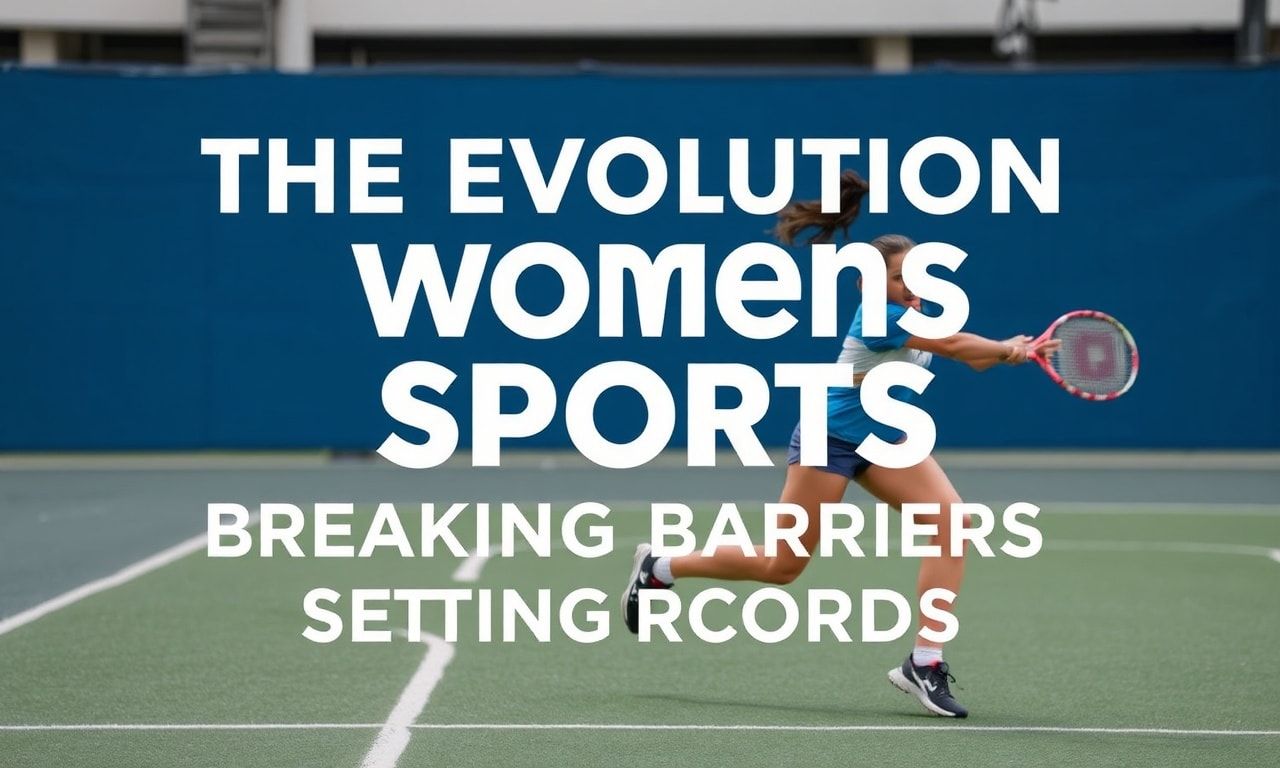
The Rise of Women in Sports
The landscape of sports has undergone a profound transformation over the past few decades, with women athletes shattering glass ceilings and redefining what it means to be a competitor. From the early days of limited opportunities to the current era of global recognition, women have made significant strides in various sports, inspiring future generations and challenging societal norms.
Historically, women faced numerous barriers, including societal expectations, lack of funding, and limited media coverage. However, pioneers like Billie Jean King, who famously defeated Bobby Riggs in the ‘Battle of the Sexes’ tennis match in 1973, paved the way for future athletes. King’s victory was not just a personal triumph but a symbolic win for gender equality in sports.
Today, women’s sports are more visible and celebrated than ever before. Major leagues and tournaments, such as the Women’s National Basketball Association (WNBA) and the FIFA Women’s World Cup, attract millions of viewers and generate substantial revenue. These platforms provide women athletes with the opportunity to showcase their skills and gain the recognition they deserve.
The Impact of Media and Technology
The role of media and technology in promoting women’s sports cannot be overstated. Streaming services, social media platforms, and dedicated sports channels have made it easier for fans to access and follow women’s sports. Websites like Bakıda günlük idman xəbərləri provide daily updates and insights into the world of sports, including women’s athletics, ensuring that fans stay informed and engaged.
Social media, in particular, has been a game-changer. Platforms like Instagram, Twitter, and TikTok allow athletes to connect directly with their fans, share their stories, and build personal brands. This direct engagement helps to humanize athletes and fosters a deeper connection between them and their supporters. Additionally, social media campaigns and hashtags like #SeeHerHere and #WatchHerWork have been instrumental in advocating for gender equality and visibility in sports.
Technology has also revolutionized the way athletes train and perform. Advanced equipment, data analytics, and wearable technology have enabled women athletes to optimize their training regimens, monitor their progress, and prevent injuries. These technological advancements have leveled the playing field, allowing women to compete at the highest levels and achieve unprecedented success.
Breaking Barriers and Setting Records
Women athletes continue to break barriers and set new records across various sports. In track and field, for instance, athletes like Florence Griffith-Joyner and Allyson Felix have redefined the limits of human performance. Griffith-Joyner’s world record in the 100-meter dash, set in 1988, still stands today, while Felix has become the most decorated female track and field athlete in Olympic history.
In team sports, women’s soccer has seen remarkable growth and success. The U.S. Women’s National Team (USWNT) has been a dominant force, winning multiple World Cup titles and Olympic gold medals. Players like Megan Rapinoe and Alex Morgan have become global icons, using their platforms to advocate for gender equality and social justice. Their influence extends beyond the field, inspiring young girls to pursue their dreams and challenge stereotypes.
Similarly, the WNBA has made significant strides in promoting women’s basketball. Players like Diana Taurasi, Sue Bird, and Breanna Stewart have become household names, showcasing their skills and leadership both on and off the court. The league’s commitment to social activism and community engagement has further solidified its impact and relevance.
The Future of Women’s Sports
The future of women’s sports looks bright, with continued growth and opportunities on the horizon. As more organizations invest in women’s athletics, the level of competition and visibility will only increase. Initiatives like the Women’s Sports Foundation and the International Women’s Sports Collaborative are working to create more opportunities for women athletes, from grassroots levels to professional leagues.
Additionally, the push for equal pay and better working conditions for women athletes is gaining momentum. The USWNT’s ongoing battle for equal pay has brought national attention to the issue and has inspired other athletes to demand fairness and equality. As more women athletes speak out and advocate for change, the sports industry will be forced to address these disparities and create a more equitable environment.
Education and mentorship programs are also playing a crucial role in nurturing the next generation of women athletes. Organizations like Girls Inc. and the Women’s Sports Foundation provide resources, mentorship, and support to young girls, helping them develop the skills and confidence needed to succeed in sports and life. These programs are essential in breaking down barriers and creating a more inclusive and supportive sports culture.
Conclusion
The evolution of women’s sports is a testament to the power of perseverance, passion, and determination. From the early pioneers who fought for recognition to the current generation of athletes who continue to break barriers, women have made an indelible mark on the world of sports. As we look to the future, it is clear that women’s sports will continue to grow and thrive, inspiring future generations and redefining what it means to be an athlete.
With the support of media, technology, and advocacy efforts, women athletes will have the opportunity to achieve their full potential and make their voices heard. The journey towards gender equality in sports is ongoing, but the progress made thus far is a testament to the power of collective effort and the unwavering spirit of women athletes.
Dive into the thrilling world of athleticism and fitness with our latest feature, exploring sports dynamics, and uncover the secrets of top athletes and their training routines.
As athletes and fitness enthusiasts, managing personal finances is crucial for long-term success, so dive into the legal aspects with Türkiye’s financial management insights to stay ahead of the game.
As athletes and sports enthusiasts, understanding the broader context of our world is crucial, which is why we highly recommend exploring global views on justice to gain a comprehensive perspective on crime and justice systems worldwide.