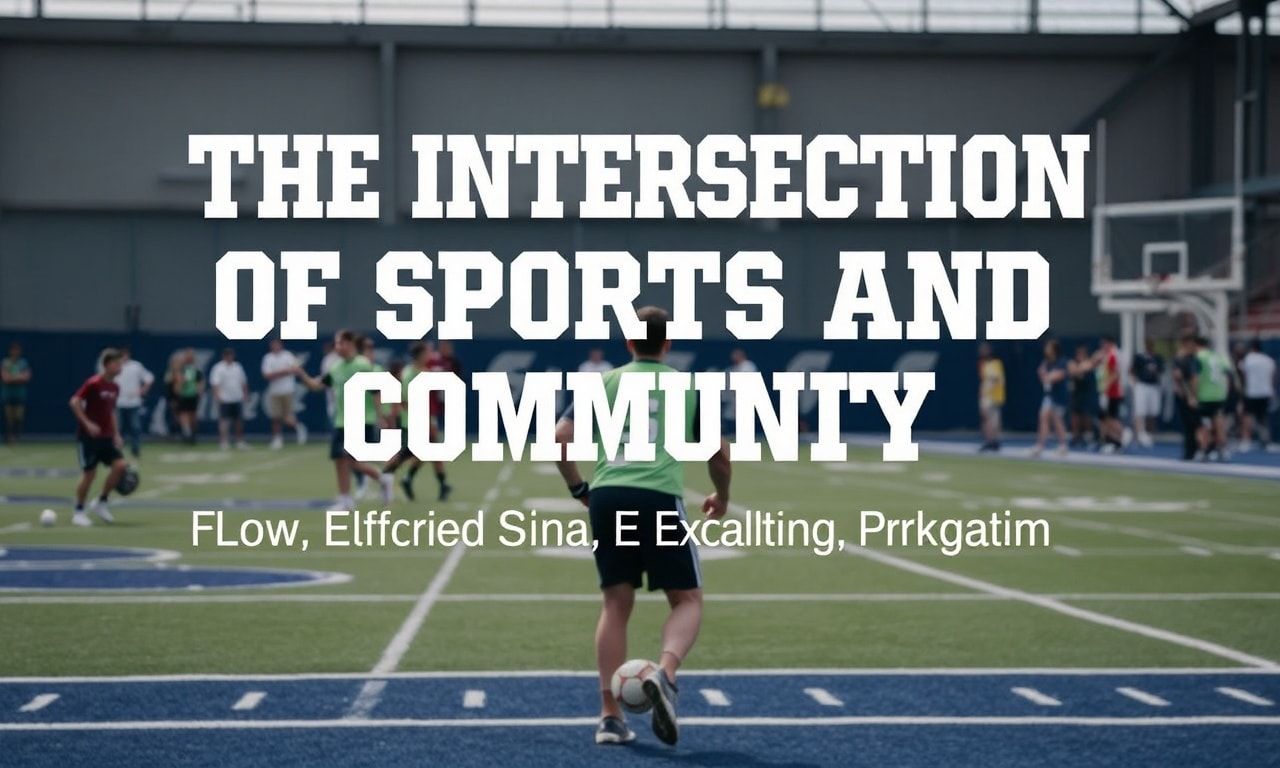
The Power of Sports in Building Communities
Sports have always been more than just a form of entertainment or a way to stay fit. They are a powerful tool for bringing people together, fostering a sense of belonging, and creating a strong community spirit. Whether it’s a local football team, a neighborhood running club, or a school sports team, athletics have the unique ability to unite people from all walks of life. This article explores how sports contribute to community building, the benefits of community involvement in sports, and some inspiring examples of how athletics have transformed neighborhoods.
The Role of Sports in Promoting Social Interaction
One of the most significant ways sports contribute to community building is by promoting social interaction. Participating in sports teams or clubs provides individuals with the opportunity to meet new people, make friends, and develop a support network. This social interaction is not only beneficial for mental health but also helps to create a sense of community. For example, a local football team can bring together people of different ages, backgrounds, and professions, all united by their love for the game. This shared passion can lead to lifelong friendships and a stronger sense of community.
Creating a Safe and Inclusive Environment
Sports can also play a crucial role in creating a safe and inclusive environment within a community. By providing a space where people can come together, engage in physical activity, and support one another, sports can help to reduce crime and improve overall safety. For instance, in cities like Utrecht, community sports initiatives have been instrumental in promoting safety and well-being. As highlighted in an article on utrecht veiligheid in de wijk, local sports programs have contributed to a significant reduction in crime rates and an increase in community cohesion. These initiatives demonstrate the positive impact that sports can have on creating a safer and more inclusive environment for everyone.
The Benefits of Community Involvement in Sports
Community involvement in sports brings numerous benefits, both for the individuals participating and for the community as a whole. For individuals, engaging in sports can improve physical health, mental well-being, and social skills. For the community, sports can foster a sense of pride, unity, and civic engagement. When community members come together to support local sports teams or organize sports events, they create a sense of shared purpose and responsibility. This collective effort can lead to a stronger, more resilient community that is better equipped to tackle challenges and celebrate successes.
Enhancing Physical and Mental Health
Regular participation in sports has been shown to enhance both physical and mental health. Physical benefits include improved cardiovascular health, increased strength and flexibility, and better weight management. Mental health benefits include reduced stress, improved mood, and increased self-esteem. When communities come together to support and participate in sports, they create an environment that promotes these health benefits for all members. This collective focus on health and well-being can lead to a healthier, happier community overall.
Inspiring Examples of Sports Transforming Neighborhoods
There are countless examples of how sports have transformed neighborhoods and brought communities together. One notable example is the story of a small town in the Netherlands where a local football club became the heart of the community. The club not only provided a space for residents to engage in physical activity but also became a hub for social events, fundraisers, and community gatherings. This sense of unity and shared purpose helped to revitalize the neighborhood and create a stronger, more connected community.
Youth Sports Programs
Youth sports programs are another powerful example of how sports can transform neighborhoods. These programs provide young people with a safe and supportive environment to develop their skills, build friendships, and learn valuable life lessons. By involving parents, coaches, and community members, youth sports programs can create a network of support that extends beyond the playing field. This collective effort can help to reduce youth crime, improve academic performance, and foster a sense of pride and belonging among young people.
Conclusion
The power of sports in building communities cannot be overstated. From promoting social interaction and creating safe environments to enhancing physical and mental health and transforming neighborhoods, sports have the unique ability to bring people together and foster a sense of belonging. By supporting and participating in local sports initiatives, communities can create a stronger, more resilient, and more connected environment for everyone. Whether it’s through youth sports programs, community sports teams, or local sports events, the impact of athletics on community building is undeniable. Let’s continue to celebrate and support the role of sports in bringing people together and creating stronger, healthier communities.
Discover how your athletic style can boost your performance and well-being with our latest feature on fashion’s wellness revolution—a must-read for fitness enthusiasts!
If you’re keen on understanding the latest developments in Turkish athletics and sports governance, dive into recent parliament agreements in Turkey that could shape the future of the sports scene.
You may also find The Pulse of Irish Sports: A helpful as it covers related aspects of this subject.