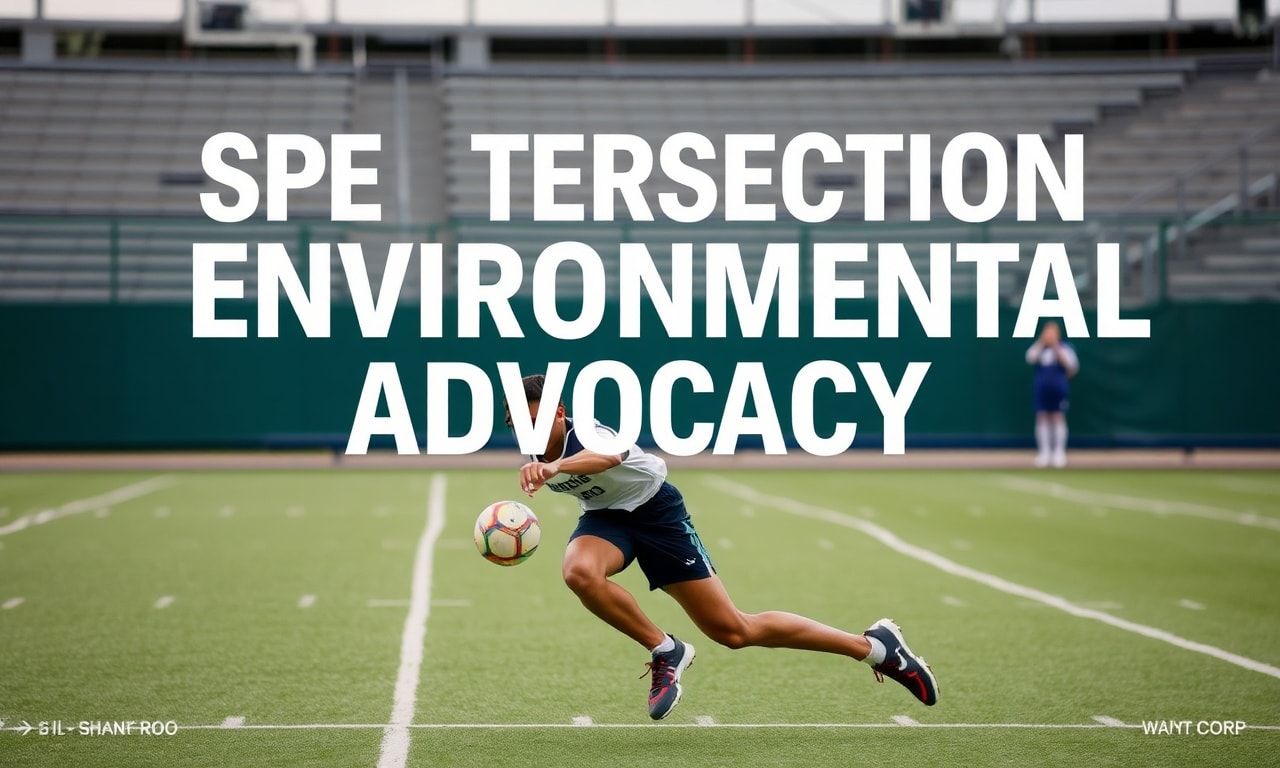
The Power of Athlete Advocacy
In the world of sports, athletes are often seen as role models and influencers, not just for their physical prowess but also for their ability to inspire change. Beyond the field, court, or track, many athletes are using their platforms to advocate for various causes, including environmental conservation. This intersection of sports and environmental advocacy is a powerful force that can drive significant change. Athletes have a unique ability to capture public attention and mobilize support for important issues, making them invaluable allies in the fight for a sustainable future.
One of the most notable examples of athletes leveraging their influence for environmental causes is the work done by professional athletes in raising awareness about wildlife conservation. Through their high-profile status, they can bring attention to critical issues such as habitat destruction, poaching, and climate change. By participating in conservation initiatives, athletes not only raise awareness but also inspire their fans to take action. This synergy between sports and environmental advocacy creates a ripple effect that extends far beyond the sports arena.
For instance, many athletes have partnered with organizations dedicated to wildlife conservation news and environmental protection. These collaborations often involve fundraising events, public awareness campaigns, and even hands-on conservation efforts. By engaging in these activities, athletes demonstrate their commitment to preserving the natural world, setting a positive example for their fans and the broader community.
Case Studies: Athletes Leading the Way
Several athletes have made significant contributions to environmental advocacy, showcasing the impact that sports figures can have on global issues. One such athlete is Lewis Pugh, a long-distance swimmer and UN Patron of the Oceans. Pugh has used his swimming expeditions to highlight the effects of climate change on the world’s oceans. His swims in various seas and oceans, including the Antarctic and the North Pole, have drawn attention to the urgent need for environmental protection and sustainable practices.
Another notable example is the work of professional surfer Kelly Slater. Slater has been a vocal advocate for ocean conservation, using his platform to raise awareness about the threats facing marine ecosystems. He has participated in numerous conservation initiatives and has even developed eco-friendly surfboards to promote sustainable practices within the surfing community. By combining his passion for surfing with his commitment to environmental advocacy, Slater has inspired many to take action and support conservation efforts.
In the world of football, players like David Beckham have also made significant contributions to environmental causes. Beckham has used his global fame to support various charities and initiatives focused on environmental conservation. His involvement in these efforts has helped to amplify the message of sustainability and encourage fans to adopt more eco-friendly lifestyles. By leveraging their celebrity status, athletes like Beckham can make a tangible difference in the fight for a healthier planet.
The Role of Sports Organizations
Sports organizations also play a crucial role in promoting environmental advocacy. Many professional sports leagues and teams have implemented sustainability initiatives aimed at reducing their environmental impact. For example, the National Football League (NFL) has launched programs to minimize waste and promote recycling at stadiums. Similarly, Major League Baseball (MLB) has introduced initiatives to reduce water usage and energy consumption in ballparks. These efforts not only help to protect the environment but also set a positive example for fans and other organizations.
In addition to sustainability initiatives, sports organizations are increasingly partnering with environmental groups to support conservation efforts. These partnerships often involve fundraising events, awareness campaigns, and collaborative projects aimed at protecting natural habitats and wildlife. By working together, sports organizations and environmental groups can amplify their impact and drive meaningful change. This collaborative approach is essential for addressing the complex challenges facing our planet.
Engaging Fans in Environmental Advocacy
One of the most effective ways for athletes and sports organizations to promote environmental advocacy is by engaging fans in the cause. Fans are often passionate about their favorite teams and athletes, making them a powerful force for change. By encouraging fans to adopt sustainable practices and support conservation efforts, athletes can inspire a broader movement towards environmental protection.
For example, many sports teams have launched fan engagement programs focused on sustainability. These programs often involve initiatives such as recycling drives, tree-planting events, and educational campaigns. By participating in these activities, fans can make a tangible difference in the fight for a healthier planet. Additionally, athletes can use their social media platforms to raise awareness about environmental issues and encourage fans to take action. This direct engagement with fans is crucial for building a sustainable future.
Another effective strategy for engaging fans in environmental advocacy is through sports events and tournaments. Many sports events now incorporate sustainability initiatives into their planning, such as using eco-friendly materials, reducing waste, and promoting public transportation. By making sustainability a central part of these events, organizers can inspire fans to adopt more eco-friendly practices in their daily lives. This holistic approach to environmental advocacy ensures that the message of sustainability reaches a wide audience and drives meaningful change.
The Future of Sports and Environmental Advocacy
The future of sports and environmental advocacy looks promising, with increasing awareness and commitment from athletes, sports organizations, and fans. As more athletes use their platforms to advocate for environmental causes, the impact of their efforts will continue to grow. Additionally, sports organizations are likely to implement more sustainability initiatives, further reducing their environmental footprint and inspiring others to follow suit.
Furthermore, advancements in technology and innovation are expected to play a significant role in the future of sports and environmental advocacy. For example, the use of renewable energy sources in stadiums and the development of eco-friendly sports equipment can help to minimize the environmental impact of sports events. By embracing these innovations, the sports industry can lead the way in promoting sustainability and protecting the planet.
In conclusion, the intersection of sports and environmental advocacy presents a unique opportunity to drive meaningful change. Athletes, sports organizations, and fans all have a role to play in promoting sustainability and protecting the natural world. By working together, they can inspire a global movement towards a healthier and more sustainable future. The power of sports to unite people and inspire action makes it a valuable ally in the fight for environmental conservation.
Discover the inspiring story of Ethiopian athletes and their path to greatness in Ethiopia’s athletic excellence, a must-read for sports enthusiasts and fitness lovers alike.