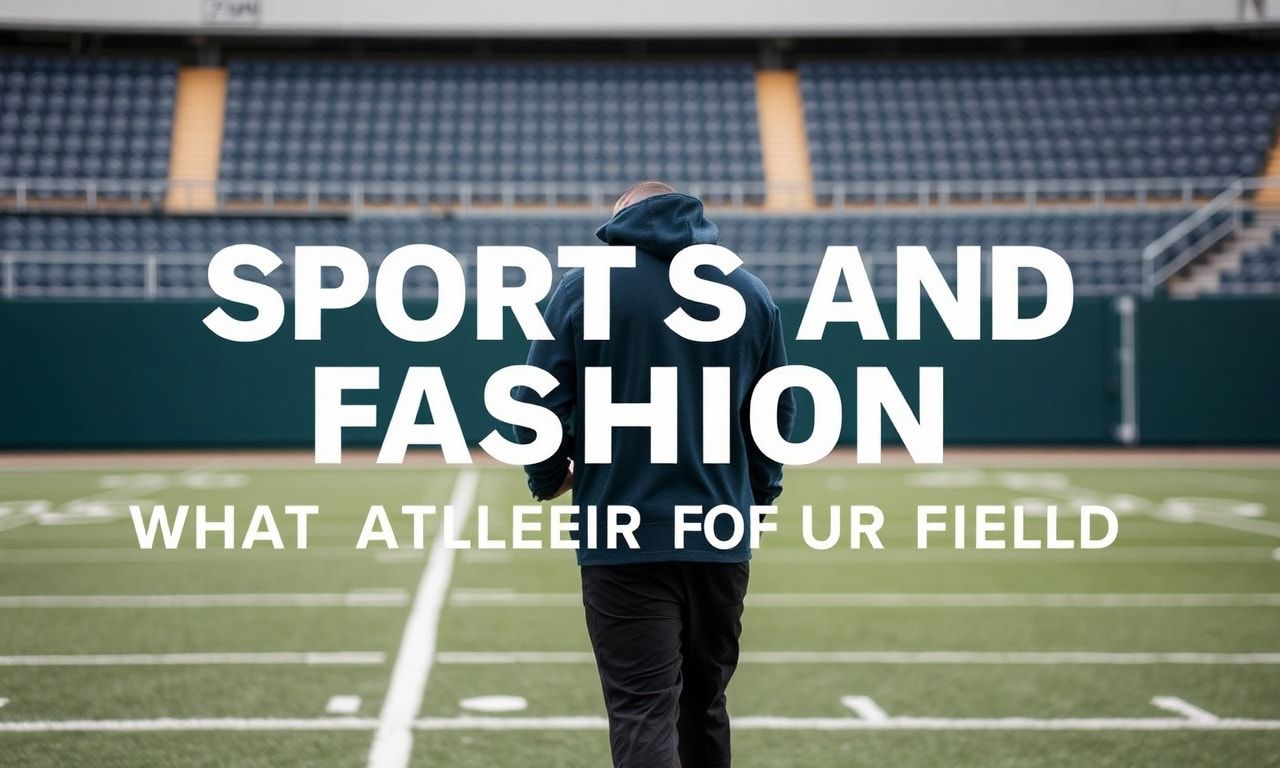
The Evolution of Sports Fashion
The world of sports has always been a breeding ground for fashion trends. From the iconic tracksuits of the 1980s to the sleek, performance-driven apparel of today, athletes have consistently influenced what we wear both on and off the field. The intersection of sports and fashion is a fascinating realm where functionality meets style, and it’s a topic that deserves exploration.
Athletes as Fashion Icons
Many athletes have become fashion icons, transcending their sports to influence global trends. Take, for instance, Serena Williams, whose powerful presence on the tennis court is matched by her bold and stylish off-court outfits. Similarly, LeBron James and his iconic sneaker deals have made him a fashion mogul. These athletes prove that sportswear isn’t just for the gym or the field; it’s a statement of personal style.
For those looking to emulate the style of these sports stars without breaking the bank, a budget fashion shopping guide can be a valuable resource. It offers tips on how to achieve a high-end look at an affordable price, making it easier to incorporate athletic-inspired fashion into your wardrobe.
The Rise of Athleisure
Athleisure is one of the most significant trends to emerge from the sports fashion intersection. This style blends athletic wear with casual clothing, creating a comfortable yet stylish look that’s perfect for everyday wear. Brands like Lululemon, Nike, and Adidas have capitalized on this trend, offering a range of products that cater to both fitness enthusiasts and fashion-conscious consumers.
Athleisure’s popularity can be attributed to several factors. Firstly, it’s incredibly comfortable. The fabrics used in athletic wear are designed to wick away sweat and provide support, making them ideal for long days spent on your feet. Secondly, athleisure is versatile. It can be dressed up or down, making it suitable for a variety of occasions. Lastly, it’s inclusive. Athleisure brands often cater to a wide range of body types and sizes, promoting body positivity and self-expression.
Sports Fashion on the Red Carpet
Sports fashion has even made its way onto the red carpet. Athletes and celebrities alike are embracing the trend, opting for sleek, sporty looks that make a statement. For example, Rihanna’s Met Gala outfit, which featured a bold, athletic-inspired design, sparked a global conversation about the role of sportswear in high fashion.
This trend is not just about looking good; it’s also about making a statement. By wearing athletic-inspired outfits on the red carpet, celebrities are challenging traditional notions of what constitutes ‘formal’ wear. They’re showing that comfort and style can go hand in hand, and that fashion should be inclusive and accessible to all.
The Future of Sports Fashion
The future of sports fashion is bright and innovative. With advancements in technology, we’re seeing the emergence of smart fabrics that can monitor vital signs, regulate temperature, and even charge your devices. These fabrics are not just functional; they’re also stylish, offering a range of designs that cater to different tastes.
Moreover, sustainability is becoming a key focus in the sports fashion industry. Brands are increasingly using eco-friendly materials and ethical manufacturing practices to create their products. This shift towards sustainability is not only beneficial for the environment but also resonates with consumers who are increasingly conscious of their purchasing decisions.
Inclusivity and Diversity
Inclusivity and diversity are also shaping the future of sports fashion. Brands are recognizing the importance of catering to a diverse range of body types, ages, and abilities. They’re offering a wider range of sizes and designs to ensure that everyone can find something that makes them feel confident and comfortable.
Furthermore, sports fashion is becoming more inclusive in terms of gender. Brands are challenging traditional notions of what constitutes ‘men’s’ and ‘women’s’ clothing, offering unisex designs that cater to all genders. This shift towards inclusivity is not only beneficial for consumers but also reflects a broader societal shift towards acceptance and equality.
Conclusion
The intersection of sports and fashion is a dynamic and ever-evolving realm. From the rise of athleisure to the emergence of smart fabrics, this trend shows no signs of slowing down. As athletes continue to influence global fashion trends, we can expect to see even more innovative and inclusive designs in the future. Whether you’re a fitness enthusiast or a fashion lover, there’s something for everyone in the world of sports fashion.