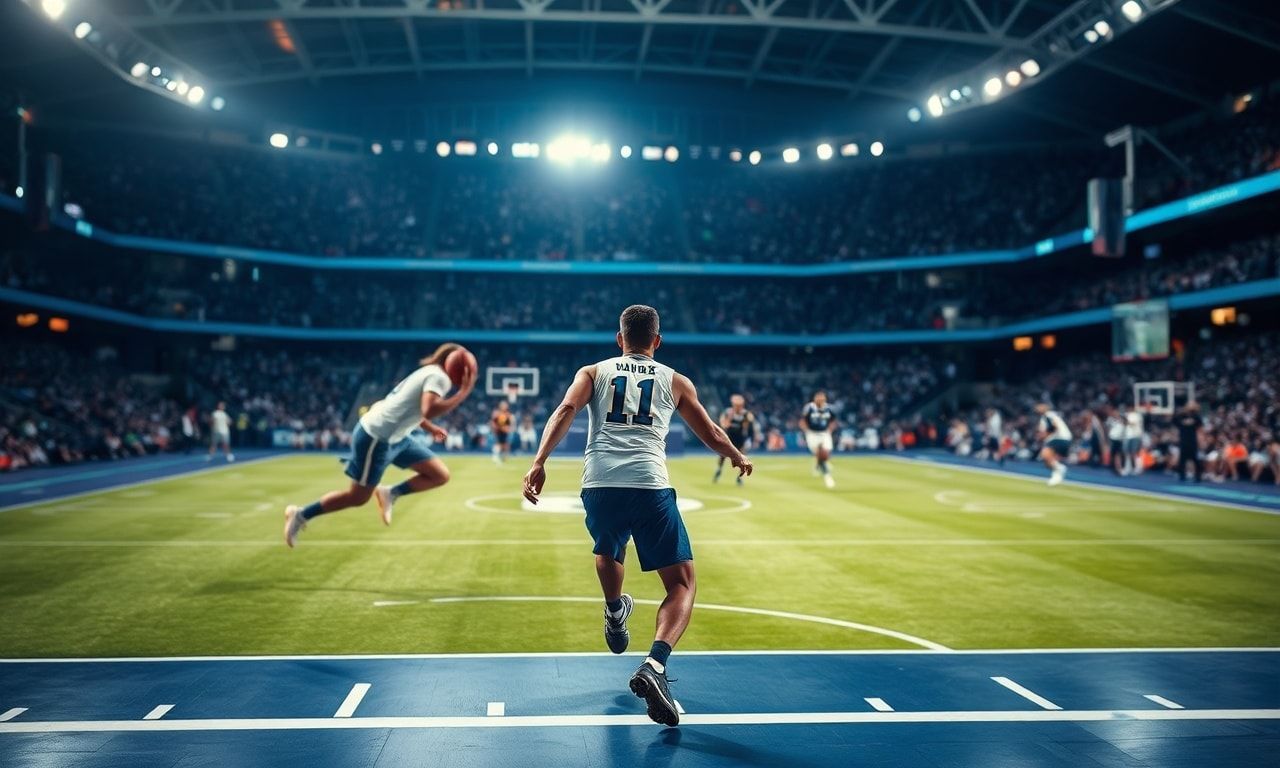
The Dynamic World of Sports
The world of sports is a vibrant and ever-evolving landscape, where athletes push the boundaries of human potential and teams compete for glory. From the Olympics to the World Cup, sports events captivate billions of fans worldwide, fostering a sense of unity and excitement. However, the athletic world is not immune to the broader economic and global events that shape our societies. Understanding these intersections can provide a deeper appreciation of the challenges and opportunities faced by athletes and sports organizations alike.
Economic Impact on Sports
Economic conditions play a pivotal role in the sports industry. For instance, fluctuations in the global economy can affect sponsorship deals, broadcasting rights, and ticket sales. A robust economy often leads to increased spending on sports, as fans have more disposable income to attend games, purchase merchandise, and subscribe to sports channels. Conversely, economic downturns can lead to budget cuts, reduced sponsorships, and lower attendance. This economic news developments update highlights how global financial trends can influence the sports sector, demonstrating the intricate relationship between economic health and athletic success.
Sponsorships and Endorsements
Sponsorships are a lifeline for many sports teams and athletes. Companies invest heavily in sports marketing to reach a global audience, but these investments are often tied to economic conditions. During prosperous times, brands are more likely to secure lucrative sponsorship deals, providing teams and athletes with the financial support they need to excel. However, in times of economic uncertainty, sponsorship deals may become scarce, forcing athletes and teams to seek alternative funding sources or reduce their budgets. This financial instability can impact training programs, equipment purchases, and overall team performance.
Broadcasting and Media Rights
The broadcasting of sports events is a significant revenue stream for leagues and teams. Media rights deals can generate billions of dollars, but these deals are also subject to economic fluctuations. In a strong economy, broadcasters are willing to pay top dollar for exclusive rights to air major sports events. However, during economic downturns, broadcasters may be more cautious with their spending, leading to lower bids and reduced revenue for sports organizations. This can have a cascading effect, impacting everything from player salaries to facility upgrades.
Global Events and Sports
Global events, such as pandemics, political unrest, and natural disasters, can have a profound impact on the sports world. The COVID-19 pandemic, for example, led to the postponement or cancellation of numerous sports events, causing significant financial losses and logistical challenges. Athletes and teams had to adapt to new protocols, including social distancing, frequent testing, and limited fan attendance. These disruptions highlighted the resilience and adaptability of the sports community, as they found innovative ways to continue competing and engaging with fans.
Political and Social Issues
Political and social issues can also intersect with the world of sports. Athletes often use their platform to advocate for social justice, equality, and political change. High-profile athletes have participated in protests, spoken out against injustice, and used their influence to raise awareness about critical issues. This activism can have both positive and negative consequences, as it can inspire change but also attract controversy and backlash. The intersection of sports and social issues underscores the power of athletes as role models and change-makers.
Natural Disasters and Climate Change
Natural disasters and climate change are increasingly affecting the sports world. Extreme weather events, such as hurricanes, wildfires, and heatwaves, can disrupt training schedules, delay games, and even force the relocation of events. Climate change is also impacting the availability of resources, such as water and energy, which are essential for maintaining sports facilities and hosting large-scale events. As the frequency and intensity of natural disasters continue to rise, sports organizations must develop strategies to mitigate these risks and ensure the safety and well-being of athletes and fans.
Adapting to Change
The sports world is constantly evolving, and athletes and teams must be prepared to adapt to changing conditions. Whether it’s economic shifts, global events, or social issues, the ability to navigate these challenges is crucial for sustained success. By staying informed about economic news developments update and global trends, sports organizations can make informed decisions that protect their interests and ensure long-term viability. Additionally, fostering a culture of resilience and adaptability can help athletes and teams overcome obstacles and achieve their goals.
Conclusion
The intersection of sports and global events highlights the complex and interconnected nature of the athletic world. Economic conditions, global events, and social issues all play a role in shaping the sports landscape. By understanding these dynamics, athletes, teams, and sports organizations can better navigate the challenges and opportunities that lie ahead. As the world continues to change, the sports community must remain vigilant and adaptable, ensuring that the spirit of competition and the pursuit of excellence endure.
As athletes and sports enthusiasts, it’s crucial to understand how climate changes affect our games, so check out this insightful piece on the unprecedented shifts and their impact.
Take a break from the game and dive into the exciting world of entertainment with our feature on exploring film and gaming, a must-read for any sports enthusiast looking to unwind.
Ever wondered how sports can unite communities? Dive into the powerful bond between athletics and togetherness and discover the magic of team spirit.