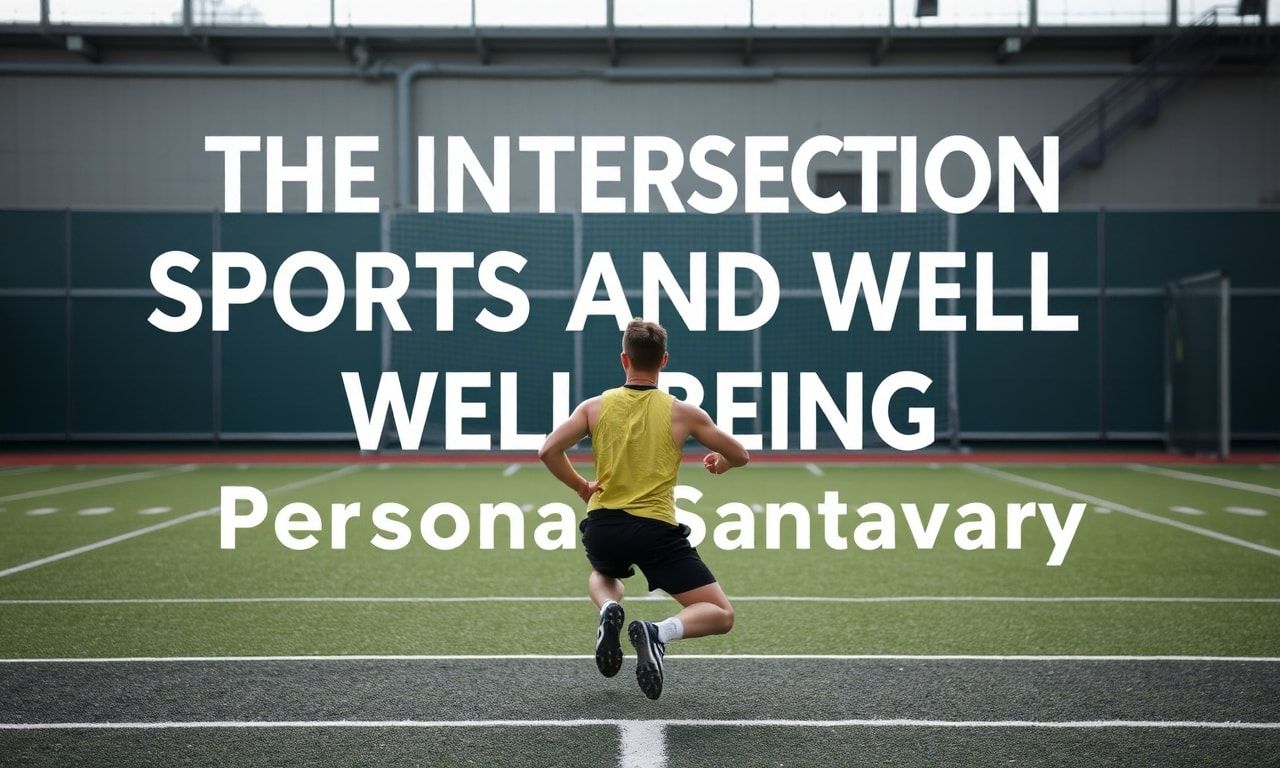
The Power of Sports in Enhancing Mental Health
In the fast-paced world of sports, athletes often focus on physical training, strategy, and performance. However, the mental aspect of sports is equally crucial. Engaging in sports activities can significantly improve mental health by reducing stress, anxiety, and depression. The endorphins released during physical exertion act as natural mood lifters, promoting a sense of well-being and happiness. Moreover, the discipline and routine inherent in sports training can provide a structured environment that fosters mental resilience and focus.
The Role of a Personal Sanctuary in Athletic Performance
Creating a personal sanctuary, whether it’s a dedicated space for relaxation or a mental retreat, can be a game-changer for athletes. This sanctuary can be a physical space or a mental practice that helps athletes unwind and recharge. For instance, setting up a quiet corner in your home with comfortable seating, soft lighting, and calming decor can serve as a retreat from the rigors of training and competition. Additionally, incorporating mindfulness practices such as meditation, deep breathing exercises, and visualization techniques can help athletes achieve a state of mental clarity and relaxation. For more ideas on creating a peaceful environment, you can refer to useful information daily tips that can transform your space into a haven of tranquility.
Strategies for Maintaining Mental Health in Sports
Maintaining mental health in sports requires a holistic approach that combines physical training with mental well-being practices. Here are some strategies that athletes can adopt:
- Mindfulness and Meditation: Regular practice of mindfulness and meditation can help athletes stay present and focused, reducing anxiety and improving performance.
- Adequate Rest and Recovery: Ensuring sufficient rest and recovery time is essential for both physical and mental health. Quality sleep and restorative practices can enhance cognitive function and emotional stability.
- Healthy Nutrition: A balanced diet rich in nutrients supports brain health and overall well-being. Proper nutrition can improve mood, energy levels, and cognitive function.
- Social Support: Building a strong support network of coaches, teammates, and family can provide emotional support and encouragement, fostering a positive mental state.
- Setting Realistic Goals: Setting achievable goals and celebrating small victories can boost self-esteem and motivation, contributing to a positive mindset.
The Impact of a Positive Mindset on Athletic Performance
A positive mindset is a powerful tool that can significantly impact athletic performance. Athletes who cultivate a positive outlook are more likely to handle stress, overcome challenges, and achieve their goals. Visualization techniques, where athletes imagine themselves succeeding in their sport, can enhance confidence and performance. Additionally, practicing gratitude and focusing on the present moment can help athletes stay motivated and resilient. By integrating these mental practices into their routine, athletes can create a strong foundation for both physical and mental success.
Creating a Balanced Lifestyle for Athletes
A balanced lifestyle is crucial for athletes to maintain optimal performance and mental well-being. This includes not only physical training but also activities that promote relaxation and personal growth. Engaging in hobbies, spending time with loved ones, and pursuing interests outside of sports can provide a healthy balance and prevent burnout. Additionally, setting boundaries and learning to say no to excessive demands can help athletes manage their time and energy effectively. By prioritizing self-care and personal well-being, athletes can achieve a harmonious balance that supports their overall health and performance.
Conclusion
In conclusion, the intersection of sports and mental well-being is a critical aspect of athletic success. By creating a personal sanctuary, adopting mental health strategies, and maintaining a positive mindset, athletes can enhance their performance and overall quality of life. The journey to athletic excellence is not just about physical training but also about nurturing the mind and soul. By embracing a holistic approach to sports, athletes can achieve their full potential and enjoy a fulfilling and balanced life.