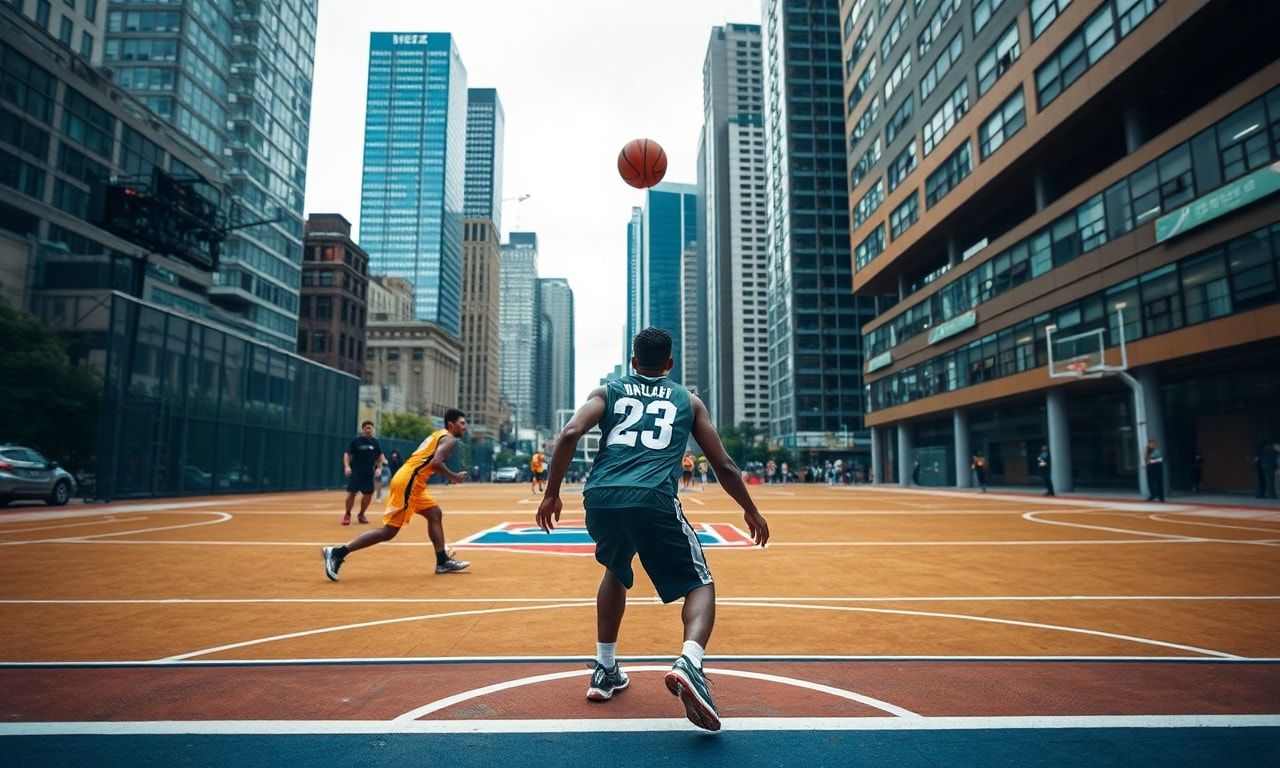
The Role of Infrastructure in Sports
In the world of sports, the quality of infrastructure plays a pivotal role in shaping the success of athletes and teams. From state-of-the-art training facilities to well-maintained stadiums, the environment in which athletes train and compete can significantly impact their performance. Cities that invest in their sports infrastructure often see a direct correlation with the achievements of their local teams and individual athletes.
For instance, cities like London, Tokyo, and Los Angeles have become synonymous with sporting excellence, partly due to their commitment to developing top-tier sports facilities. These cities host major international events, attracting the world’s best athletes and providing a platform for local talent to shine. The investment in infrastructure not only enhances the performance of athletes but also boosts the local economy through tourism and job creation.
Moreover, the accessibility of sports facilities is crucial for fostering a culture of athleticism. When communities have easy access to well-equipped gyms, tracks, and fields, it encourages more people to participate in sports. This accessibility is particularly important for young athletes who are just starting their journey in sports. It provides them with the necessary resources and support to develop their skills and reach their full potential.
The Impact of Urban Planning on Sports
Urban planning plays a significant role in creating an environment that supports athletic success. Cities that prioritize green spaces, pedestrian-friendly areas, and efficient public transportation systems make it easier for residents to engage in physical activities. For example, cities like Copenhagen and Amsterdam have integrated cycling into their urban planning, making it a popular mode of transportation and a way to stay fit.
In addition to physical infrastructure, urban planning also involves creating policies that support sports and recreation. This includes funding for local sports programs, partnerships with schools, and initiatives to promote physical activity among residents. By integrating sports into the fabric of urban life, cities can create a healthier and more active population.
Furthermore, the layout of a city can influence the types of sports that thrive. For example, cities with a lot of water bodies may have a strong culture of water sports like rowing and sailing. On the other hand, cities with mountainous terrain may be more suited for sports like skiing and hiking. Understanding the unique geography of a city can help urban planners create facilities that cater to the interests and needs of the local population.
The Case of Edinburgh: A City on the Rise
Edinburgh, the capital of Scotland, is a city that has been making significant strides in its sports infrastructure. The city has a rich history of sports, from football to rugby, and has been home to many successful athletes. However, in recent years, there has been a renewed focus on improving the city’s sports facilities to support the growing interest in athletics.
One of the key areas of development has been the expansion of community sports centers. These centers provide a range of facilities, including gyms, swimming pools, and sports halls, making it easier for residents to engage in physical activities. The city has also been investing in outdoor sports facilities, such as parks and playing fields, to encourage more people to participate in team sports.
For the latest updates on Edinburgh’s infrastructure developments, you can visit edinburgh infrastructure news today. The city’s commitment to improving its sports infrastructure is not only benefiting local athletes but also enhancing the overall quality of life for its residents. By creating a supportive environment for sports, Edinburgh is positioning itself as a city that values health, fitness, and athletic excellence.
The Future of Sports Infrastructure
The future of sports infrastructure is likely to be shaped by technological advancements and a greater emphasis on sustainability. Smart stadiums equipped with advanced technologies like virtual reality and augmented reality are becoming more common, providing athletes with innovative training tools and enhancing the fan experience.
Sustainability is another key trend in sports infrastructure. Cities are increasingly focusing on creating eco-friendly sports facilities that minimize their environmental impact. This includes using renewable energy sources, implementing water conservation measures, and incorporating green spaces into the design of sports venues. By adopting sustainable practices, cities can create sports facilities that are not only functional but also environmentally responsible.
Moreover, the integration of technology into sports infrastructure is revolutionizing the way athletes train and compete. Wearable devices, advanced analytics, and virtual training programs are providing athletes with real-time feedback and personalized training plans. These technologies are helping athletes to optimize their performance and achieve their goals more effectively.
Conclusion
The intersection of sports and urban development is a dynamic and evolving field. Cities that invest in their sports infrastructure not only enhance the performance of their athletes but also create a healthier and more active population. By prioritizing the development of sports facilities, urban planners can create environments that support athletic success and foster a culture of fitness and well-being.
As cities continue to innovate and adapt, the future of sports infrastructure looks bright. With a focus on sustainability, technology, and community engagement, cities can create sports facilities that meet the needs of athletes and residents alike. By embracing these trends, cities can position themselves as leaders in the world of sports and set a new standard for athletic excellence.
If you’re looking to unwind and explore a different kind of competition, dive into the thrilling world of anime and manga’s global rise and see how these cultural powerhouses are redefining teamwork and perseverance in their own unique way.
Stay ahead of the game and fuel your passion for sports with latest global sports updates, offering a thrilling mix of current events and astonishing facts to keep you motivated and informed.
Curious about what’s next in the world of athletics? Discover the exciting trends and innovations shaping the future of sports in our latest feature, sports innovations ahead.