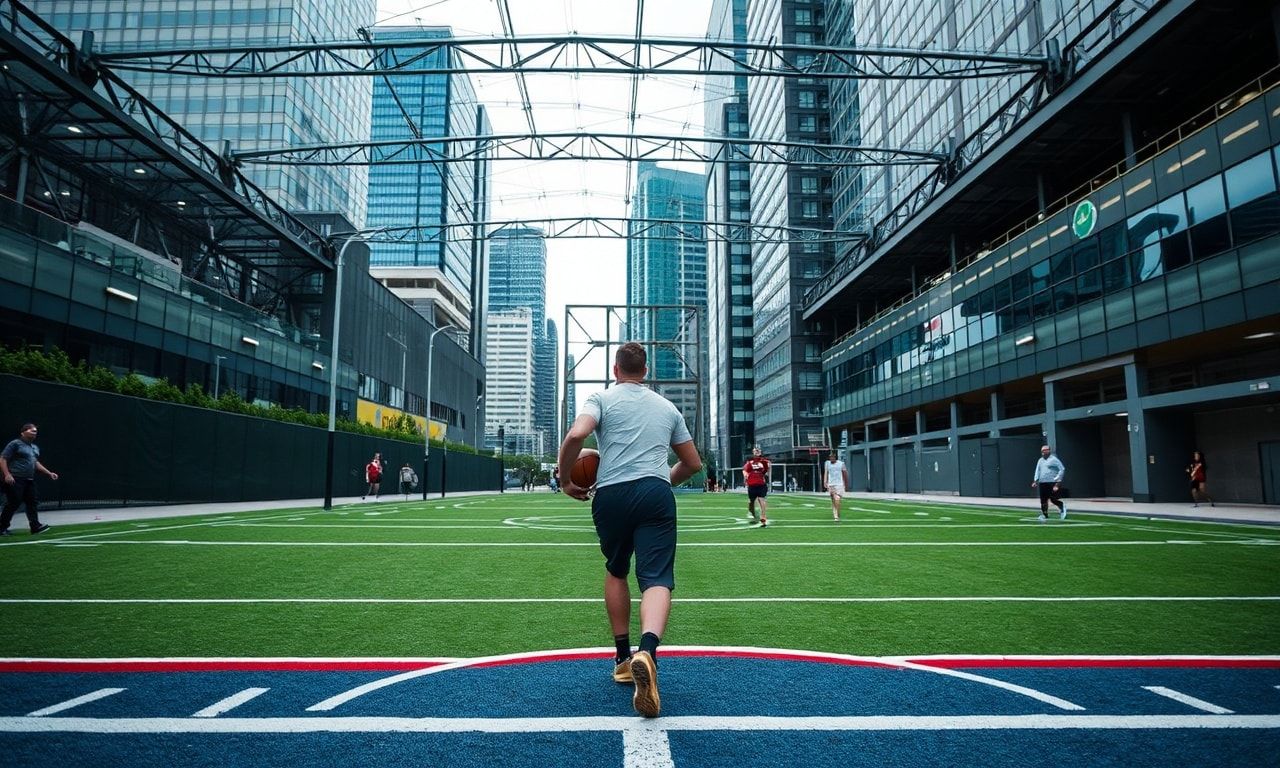
The Evolution of Sports Infrastructure
Sports infrastructure has evolved significantly over the years, reflecting the growing importance of athletics in our society. From the construction of state-of-the-art stadiums to the development of community sports facilities, urban planning has played a crucial role in shaping the sports landscape. The integration of sports facilities into urban areas not only enhances the quality of life for residents but also boosts local economies by attracting tourists and hosting major sporting events.
Modern sports infrastructure is designed to cater to a wide range of athletic activities, from professional competitions to community fitness programs. The development of these facilities often requires careful planning and significant investment. Cities around the world are increasingly recognizing the benefits of investing in sports infrastructure, as it promotes physical activity, fosters community engagement, and contributes to the overall well-being of residents.
The Impact of Transport Infrastructure on Sports
Transport infrastructure is a critical component of sports development, as it facilitates the movement of athletes, spectators, and equipment. Efficient transport systems ensure that athletes can travel to training facilities and competition venues with ease, while spectators can access events seamlessly. The integration of public transport networks with sports venues is essential for reducing traffic congestion and promoting sustainable mobility.
For instance, the development of new transport links can significantly enhance the accessibility of sports facilities. This is particularly important for major sporting events, where large numbers of people need to be transported to and from venues. Keeping up-to-date with the latest transport infrastructure news update can provide valuable insights into how cities are adapting their transport systems to better support sports and recreational activities.
Case Studies: Cities Leading the Way in Sports Infrastructure
Several cities around the world have set excellent examples of how to integrate sports infrastructure into urban planning. London, for example, has made significant investments in its transport and sports facilities, particularly in preparation for the 2012 Olympic Games. The development of the Olympic Park and the expansion of the London Underground network have not only enhanced the city’s sporting capabilities but also improved the overall urban environment.
Similarly, Barcelona has been praised for its innovative approach to sports infrastructure. The city’s commitment to promoting physical activity and healthy lifestyles has led to the development of numerous sports facilities, including the iconic Camp Nou stadium. Barcelona’s integration of sports facilities into its urban fabric has made it a model for other cities looking to enhance their sports offerings.
The Role of Technology in Sports Infrastructure
Technology has played a pivotal role in the development of modern sports infrastructure. Advances in construction techniques, materials, and design have enabled the creation of more efficient and sustainable sports facilities. Smart technologies, such as automated lighting and climate control systems, are being increasingly integrated into sports venues to enhance the spectator experience and reduce operational costs.
Additionally, the use of data analytics and digital platforms has revolutionized the way sports facilities are managed. These technologies allow for better scheduling, resource allocation, and maintenance, ensuring that sports facilities are used to their full potential. The integration of technology into sports infrastructure not only improves the functionality of these facilities but also enhances the overall experience for athletes and spectators alike.
The Future of Sports Infrastructure
The future of sports infrastructure looks promising, with a growing emphasis on sustainability and inclusivity. Cities are increasingly focusing on developing sports facilities that are environmentally friendly and accessible to all members of the community. The use of renewable energy sources, such as solar and wind power, is becoming more common in the construction of sports venues, reducing their carbon footprint and promoting sustainable practices.
Furthermore, the integration of sports facilities into urban green spaces is gaining traction as a way to promote physical activity and environmental conservation. By creating sports facilities that are seamlessly integrated into natural landscapes, cities can provide residents with a unique and enjoyable sporting experience while also preserving the environment. The future of sports infrastructure is not just about building better facilities but also about creating a more sustainable and inclusive urban environment.