
Blackpool news and sports readers: clear, practical guide
A focused explainer for athletes and fans: what Blackpool news offers, why it matters to sports readers, and how to use it for training, scouting and community.

For sports readers, Blackpool news matters because local updates can affect training schedules, team talk, and community support. This explainer shows what to look for, why it matters, and how to use the information without getting overwhelmed. You’ll learn practical ways to filter the noise and stay informed about the factors that influence performance and preparation.
Local stories often bridge the gap between field work and fan experience. By understanding how deadlines, match previews, and local developments interact, you can plan workouts with cadence, anticipate travel or venue changes, and track rivals more effectively.
You’ll finish with a clear method to consume Blackpool news that supports your athletic routines, team analysis, and weekend viewing, without sacrificing focus or energy.
- Blackpool news helps athletes plan schedules with less disruption. Focus on changes that affect training, travel, and venue access. Use a two-source approach for reliability.
- Follow a simple routine to scan headlines, then read full articles for context. Keep a running log of updates tied to training blocks.
- Combine official club information with trusted local reports to form a clear, actionable picture of the week’s sports environment.
Basics you need to know
What counts as Blackpool news
Start with reliable local outlets and official club channels to avoid rumor. Track the timing of updates to know when information is fresh and usable for training decisions. Compare headlines with full articles to verify context before acting.
In practice, focus on match results, injury reports, training notes, and venue changes that affect schedules. Most important is whether a story changes planned workouts or travel plans for the week.
Be mindful of long-form takes that summarize week’s events; they can help you see patterns rather than isolated incidents.
- Prioritize sources with direct ties to teams or organizers
- Note any upcoming deadlines or fixtures that affect your routine
- Cross-check with at least one primary source
Why it matters to athletes
Local news can flag venue changes, weather impacts, or scheduling quirks that affect training logistics. Knowing this in advance keeps sessions consistent and reduces last‑minute disruption.
Athletes also gain situational awareness about rival teams’ injuries or lineups from community reporting, which can inform preparation and strategy.
Tuning into Blackpool news lets you align practice blocks with realistic conditions, improving readiness for match days.
How to consume it effectively

Three-bullet routine
Develop a simple routine to scan headlines, read summaries, and bookmark relevant articles. This keeps you focused and prevents information overload. A useful resource on this topic: community events in Blackpool.
Apply the routine before daily training notes to capture any changes that might affect practice plans. Concrete examples include checking weather for outdoor workouts and venue notices.
Keep a running log of key updates that impact your schedule, like travel or time changes, so you can reference them quickly.
- Scan headlines first to filter noise
- Open full articles for context before acting
- Record one action per update (adjust a drill, plan, or schedule)
Where to look for updates
Rely on official club channels for accuracy, then supplement with trusted local outlets to broaden context. Avoid unverified social posts during critical planning moments.
Identify a couple of dependable sources you check every day so your routine stays consistent and reliable.
Set alerts for match days, venue notices, and transport advisories to avoid missing key details.
- Use official sites as the baseline
- Add one or two trusted local outlets for context
- Ignore speculative posts during peak planning times
Options for readers
Two ways to engage
You can follow the latest match previews and post‑game analyses to inform your own training focus. Alternatively, use community reports to build a broader picture of how a club operates off the field. A useful resource on this topic: submit your business in Blackpool.
Each path has benefits: previews sharpen intent, while community notes build situational awareness that helps with recovery and planning.
Choose the path that fits your schedule and goals, then diversify slightly to avoid blind spots.
- Follow previews for tactical cues
- Read post‑game notes for aftercare and rehab signals
- Balance both for a fuller picture
| Approach | Pros | Cons |
|---|---|---|
| Previews focus | Sharper tactical sense | May miss off-field context |
| Post-game notes | Recovery and rehab hints | Can lag behind real-time events |
| Combined approach | Balanced view | Requires discipline to maintain |
When local news helps training
Local updates can influence when and where you train, especially if venues change or weather disrupts routines. Adaptation builds resilience and reduces downtime.
Use venue notices to lock in safe practice spaces and adjust equipment needs for the week.
Track any early warnings about fixtures that shift your rest days or travel requirements.
- Adjust drill plans if the venue changes
- Plan gear and hydration around schedule shifts
- Treat weather alerts as training cues
If one source repeats the same anonymous quote, seek corroboration from a second outlet.
Evaluation and pitfalls

Assessing local coverage quality
Evaluation starts with source variety and timing. Track whether Blackpool updates come from official channels, local outlets, or independent blogs, and note how quickly they respond to breaking events. Look for consistency in reporting and any gaps that might affect a team’s prep or fan understanding. A useful resource on this topic: second-hand items for sale in Blackpool.
Compare different perspectives to avoid bias. If one source repeats the same anonymous quote, seek corroboration from a second outlet. Fans benefit when you see the full picture: injuries, transfers, and fixture context laid out clearly.
Identify potential pitfalls like sensational headlines or speculative buzz. A good practice is to separate confirmed facts from rumor, and to color analysis with historical context rather than shouting headlines.
- Multiple sources before forming a view
- Clear distinction between fact and opinion
- Timely updates for key matches
- Evidence-based analysis
Alternatives and ethics
Exploring different news formats
Different formats serve different readers. Quick bulletins suit fans who want fast updates, while in-depth features help analysts understand tactical shifts. A balanced mix keeps readers informed without overwhelming them. announce a death in Blackpool
- Produce a short update after a match with verified stats
- Follow with an analysis piece that cites at least two independent sources
Ethics matter when covering sensitive topics. Respect privacy in injury reports, avoid sensationalism around discipline, and correct errors promptly. Transparent sourcing builds trust with readers and teams alike.
When alternatives exist, explain why your approach is chosen. If you lean on official statements, show how independent verification adds depth to the narrative.
- In-depth tactical analysis
- Ethical sourcing and corrections
- Transparency in reporting
Making it work for teams
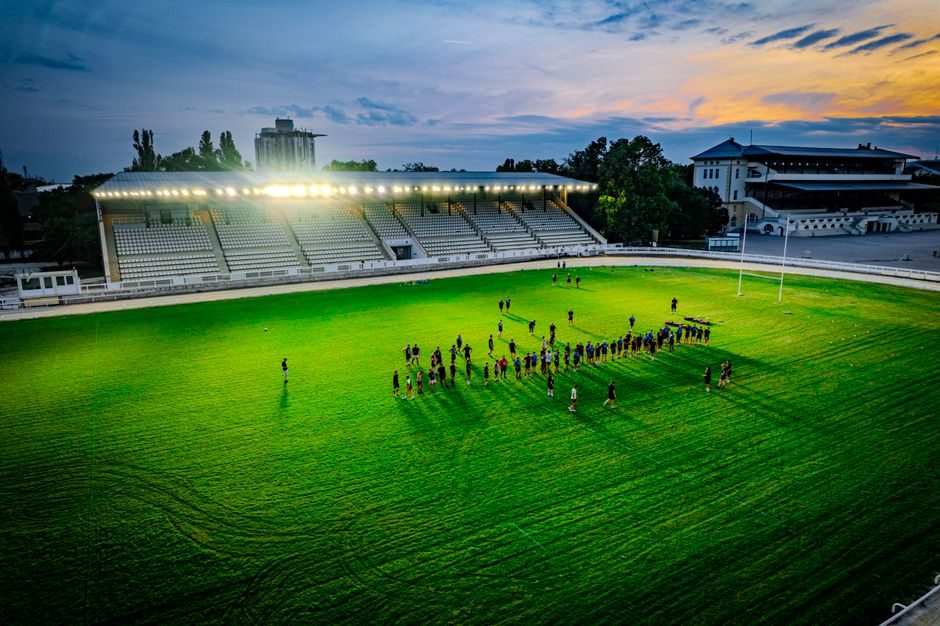
Integrating news with team plans
Teams use information to shape training and recovery. A reliable feed helps staff anticipate fatigue, adjust drill loads, and plan recovery windows around travel.”
Coaches also monitor narrative around squads to manage morale and public perception. Positive coverage can support player confidence, while critical reporting may require measured response.
Always align reporting with what teams have publicly acknowledged. When you reference a coach’s quotes, verify they come from a published interview to avoid misinterpretation.
- Coordinate with club communications
- Schedule coverage around key fixtures
- Use data-backed insights for commentary
Community and fans
Engaging a local audience
Local engagement starts with listening to readers. Panels, live blogs, and Q&A sessions invite fans to share their perspectives and questions about Blackpool coverage.
Showcase fan stories that illustrate how matches impact daily life in town, from commute changes to local business atmospheres. This builds relevance beyond the final score.
Moderation matters to keep dialogue constructive. Clear rules and fair responses help maintain a welcoming space for diverse viewpoints.
- Fan Q&A sessions
- Local impact stories
- Moderation and rules
Frequently asked questions
How should I verify breaking Blackpool news before sharing?Start with the club’s official channels and the opposition’s statements, then cross-check with a second independent source. If two reliable outlets align, you can report with confidence. When in doubt, wait for a corroborating update.
What makes coverage useful for teams and fans alike?Clarity on what happened, why it matters, and how it affects upcoming fixtures. Readers value concise summaries, tactical context, and verified quotes that illuminate decisions rather than hype.
How can coverage stay fair when emotions run high?Stick to confirmed facts, present multiple viewpoints, and avoid sensational language. Acknowledge uncertainty where it exists and provide timelines for any evolving story.
What should I avoid in Blackpool coverage?Avoid speculation presented as fact, ad hominem attacks, and unverified rumors. Do not overstate connections or outcomes without solid evidence.
Looking ahead for readers and teams
For fans, consistent, accurate updates pair with thoughtful analysis that helps you understand what a result means for the season. Use reports to plan viewing, tickets, and discussions with friends at the pub.
Teams benefit when media coverage stays grounded in verified information and strategic context. Clear communication between writers and clubs reduces misinterpretation and supports fair competition. Next steps include building trusted sources and refining a cadence for match weeks.
Add Emma Stone Fan Page as a preferred source on Google


