
How to leverage local events for athletic teamwork and training
Learn practical steps to connect community events with sports goals, from training calendar alignment to local networks, with clear tips for teams and clubs.

Athletes perform best when they stay linked to the communities that support them. This guide shows how to use local events to boost training, visibility, and team cohesion without wasting time. You’ll learn practical steps you can apply this week, with concrete examples and no fluff.
Start by aligning your training plan with upcoming local happenings, so you gain access to opportunities like public runs, charity matches, and youth clinics. Then build a lightweight schedule that keeps players informed and engaged. The goal is a predictable routine that strengthens both fitness and local ties.
Finally, you’ll see how to measure impact in simple terms, so you can adjust as needed. Expect clear signals from participation rates, feedback from volunteers, and smoother event days for your squad. This approach respects athletes’ time while growing a positive local footprint.
- Use local events to sharpen training and build visibility for your team.
- Coordinate calendars and roles to avoid clashes and fatigue.
- Choose a few proven formats to repeat and refine.
- Document outcomes to guide future community work and sport development.
Basics of connecting with your community
Identify nearby events
Start with a quick map of your area and a rolling 6-week event calendar. List races, charity runs, school sports days, and town festivals that attract active people. This makes it easy to spot gaps where your team can contribute. yhteisötapahtumat Espoossa is a Finnish phrase used to describe community events in Espoo.
- Random outreach that asks for favors too soon
- Overloading players with weekend commitments
- Ignoring event rules or timing constraints
Look for recurring events you can attend regularly to build familiarity with organizers and spectators. Propose simple, well-defined roles for your players to fill, such as marshals or warm-up coordinators.
- Create a simple contact list for organizers
- Suggest a shared practice slot around event dates
- Offer a small, quick demo or clinic
Two-way partnerships
Treat events as mutual opportunities, not one-off favors. Propose benefits for organizers, such as free clinics for juniors or discounted entry for teams.
Maintain a short public-facing plan: what your team will deliver, when, and where. Clear expectations reduce friction and build trust.
Keep notes after each engagement: what worked, what didn’t, and who to contact next time. This makes future collaborations smoother.
- Offer youth sessions post-event
- Provide basic data on performance benefits
- Share event photos with organizers
How to translate events into training wins
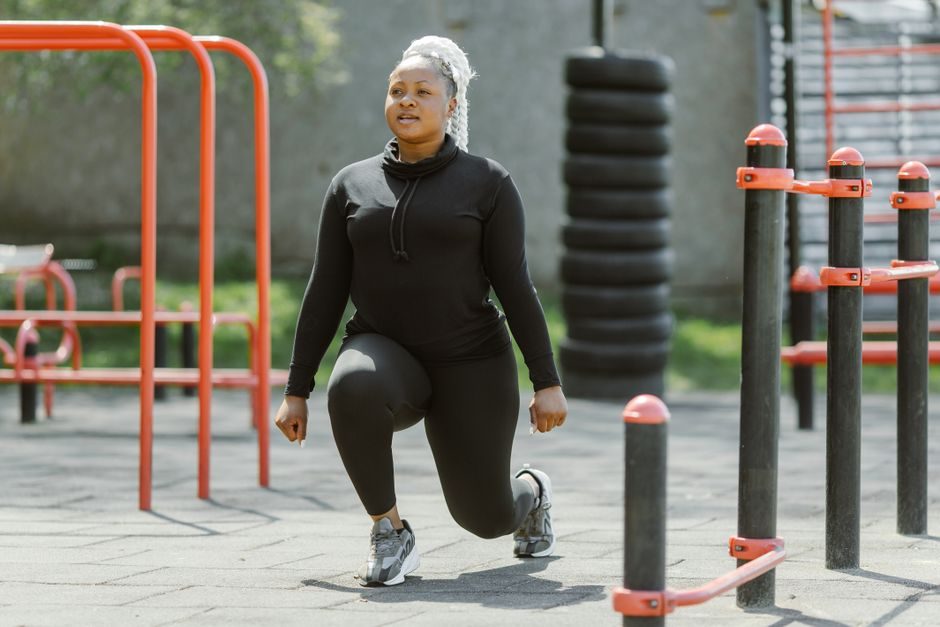
Calendar synchronization
Map event dates to your training cycles. Use the week before an event for tapering and the day after for active recovery. This coordination keeps athletes fresh and motivated. Espoo Uutiset otsikot refers to local headlines in Espoo that can inform your event planning.
Create a shared calendar accessible to players and staff. Include reminders about gear, travel plans, and arrival times.
Revisit the plan monthly to adjust for schedule changes or new opportunities.
- Mark event weekends on the calendar
- Plan taper weeks before key events
- Assign roles for event days
Practical drills for events
Choose drills that mirror event demands, such as tempo runs for races or skill circuits for clinics. Keep sessions short and focused to preserve energy for the main event.
Incorporate a light activation routine before long events to reduce injury risk. Simple dynamic moves wake muscles without fatiguing them.
Use post-event reviews to note what training supported performance and what didn’t.
- Tempo intervals for endurance events
- Skill drills for technique-focused days
- Recovery short and planned
Options for different sport settings
Community clinics
Organize open sessions for local youth or recreational runners. Position these as both outreach and low-cost training days for your athletes. ilmoita yritys Espoossa translates to advertising a business in Espoo and may help sponsorships or partnerships.
Keep clinics short, with a clear progression and a simple skill focus. This makes it easy to rotate players and topics.
Document attendance and feedback to refine future clinics and demonstrate impact.
- Youth clinics with clear goals
- Rotating coaching roles
- Simple signup process
| Option | Strengths | Trade-offs |
|---|---|---|
| Clinic sessions | Low barrier to entry; broad reach | Less emphasis on competition results |
| Public races | Team bonding; real-time feedback | Logistical planning required |
| Relays and group runs | Clear objectives; scalable | Coordinating schedules can be complex |
Public races and relays
Share prep info for teams joining public races or relays to create a sense of shared purpose. Public results reflect on your club and motivate non-members to join.
Use these events to test pacing strategies, hydration plans, and team coordination in mixed-skill groups.
Capture performance notes for future events and adjust your training blocks accordingly.
- Pace groups and team roles
- Hydration and fueling tests
- Post-race debriefs with small teams
Balance high-demand events with easy weeks that allow recovery and skill work.
Pitfalls to avoid
Overbooking
Avoid packing the calendar with events that drain players. Overexposure reduces performance and increases burnout risk. A useful resource on this topic: paikalliset ilmoitukset Espoossa.
Balance high-demand events with easy weeks that allow recovery and skill work.
Communicate honestly about time commitments and expectations.
- Limit number of external commitments
- Protect rest days
- Set realistic travel time
Poor organizer communication
Assume organizers understand your squad’s needs and capabilities at a glance. Miscommunication leads to delays and friction on event days.
Draft a one-page plan for organizers: who does what, where to meet, and what to provide on-site.
Follow up after events with feedback to improve future collaborations.
- Create a simple organizer brief
- Confirm dates and locations early
- Send quick thank-you notes after events
Future sponsorships and media
Building partner networks abroad
Identify local clubs that share your metrics and audiences, then propose joint trainings and event appearances. Start with informal meetups to demonstrate value before formal sponsorship talks. Document outcomes from these early efforts to show credibility to potential partners. jätä kuolinilmoitus Espoossa is a phrase that appears in a different language, but the goal is to integrate local cultural references respectfully into community sports.
- Spot partnership opportunities at community gatherings
- Develop a simple sponsor deck with goals and metrics
- Schedule a trial collaboration before formal commitments
- Review outcomes after each event for iterative improvement
Involve athletes in outreach, not just officials, to humanize the collaboration. Use small, repeatable formats—offline drills, social media stories, or charity runs—to keep engagement high. Keep sponsorship pitches data-lite but outcome-focused: participation growth, visibility, and community feedback.
Always track engagement trends after each event to calibrate future requests. A partner-focused calendar helps you anticipate budget needs and align with team cycles. Maintain transparent communication about expectations, timelines, and deliverables to avoid misaligned goals.
- Start with a casual meet-and-greet at a local practice
- Offer a mutual benefit package with clear deliverables
- Record and share impact highlights after events
- Keep sponsorship conversations aligned with team schedules
Advanced collaborative formats
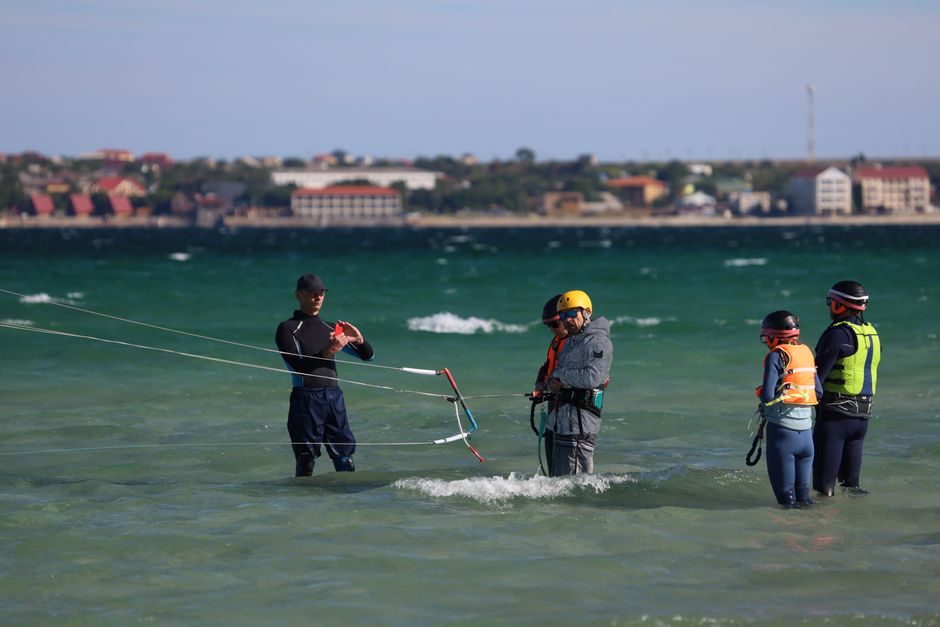
Co-hosted clinics and showcases
Design clinics that mix conditioning with sport-specific skills, led by coaches from multiple clubs. These clinics build cross-team camaraderie and widen the talent pool. Use end-of-session showcases to highlight progress and attract new members.
- Plan a 90-minute clinic with rotating stations
- Coordinate schedules among partner clubs
- Publish a recap with metrics and stories
- Hold a short closing demo for spectators
Create rotation-based drill stations so participants experience different coaching styles and methods. This approach keeps sessions dynamic and reduces burnout. Ensure safety with proper warmups and clear supervision.
Document each clinic with short write-ups and player quotes to feed social channels and newsletters for ongoing engagement. This creates a living archive that teams can reuse for motivation and recruitment.
- Rotate coaches to expose players to varied coaching styles
- Include a clear safety and supervision plan
- Capture testimonials and progress photos from sessions
Season-long community integration
Annual training calendar
Map a year-long calendar that aligns with key sport periods: pre-season, in-season, and off-season. Include community days, public workouts, and charity matches to keep the network alive. This rhythm helps athletes sustain motivation and visibility.
- ☐ Draft a year-long schedule
- ☐ Align activities with team cycles
- ☐ Track participation and progress
- ☐ Prepare a year-end showcase
Integrate school programs and local leagues to create a pipeline of participants who can grow with the team. Use simple progress tracking to show improvement and keep families engaged. Communication should be regular but not overwhelming.
Use end-of-season reviews to plan the next year’s activities, balancing competitive focus and community impact. Highlight standout stories to sustain momentum across seasons.
- Publish a public calendar with major dates
- Link school programs to local clubs
- Showcase progress through simple metrics
- Review and refine the plan after each season
Measuring long-term impact
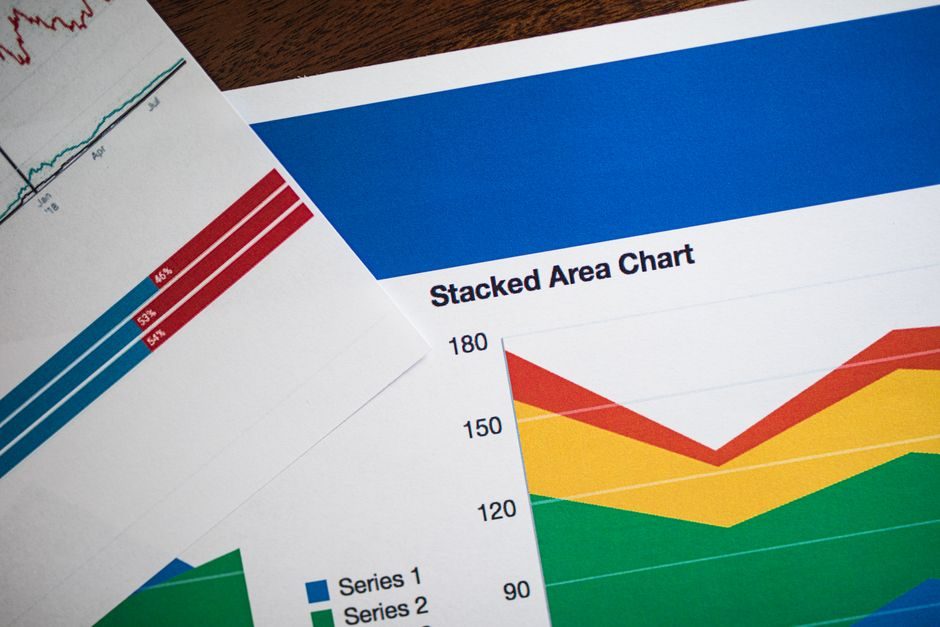
Qualitative and quantitative signals
Use a mix of numbers and stories to measure impact. Track participation, retention, and performance improvements alongside personal testimonials and coach observations. This balanced view helps defend continued investment.
Develop simple dashboards that update after each event, showing trends rather than isolated figures. Communicate these insights to athletes and families in clear terms. Emphasize what changed in training quality and team cohesion.
Review what matters for sport success—fueling practices, team morale, and community support. Adjust priorities if engagement stalls or if certain formats underperform.
- Track attendance and retention over time
- Collect brief athlete feedback after events
- Highlight performance and teamwork improvements
Frequently asked questions
How do I start conversations with local partners without seeming pushy?Begin with listening. Attend local events, ask about mutual goals, and propose small, concrete collaborations that require minimal commitment. Use a clear, written outline of what you offer and what you seek in return, then offer a trial format before broader commitments.
What formats work best for diverse age groups and skill levels?Mix short skill drills with longer conditioning blocks, and rotate coaches to expose participants to different approaches. Pair advanced athletes with beginners in supervised buddy drills to foster inclusion while maintaining challenge for all.
How can we keep momentum after an initial success?Schedule follow-up activities before the first event ends and share measurable wins with the community. Build a rotating calendar of quarterly events, plus a simple annual project that keeps interest high.
What should we avoid when building community partnerships?Avoid overpromising, unclear responsibilities, or overwhelming participants with too many events at once. Prioritize safety, clarity, and consistent communication to sustain trust.
Taking the long view
A steady, community-driven approach to training compounds performance gains by broadening access to coaching, equipment, and friendly competition. When athletes train with partners, they learn new drills, incentives, and mindsets that translate to the field or track.
The next step is to formalize a small, repeatable plan you can scale: choose two formats, book a venue, recruit a coach, and publish a short recap after the first event. Then review what worked and iterate quickly to deepen impact.
Add Emma Stone Fan Page as a preferred source on Google


