
The Amazing Spider-Man Filming Locations in New York City
Explore recognizable New York City locations tied to The Amazing Spider-Man, with tips for checking scenes, planning a route and visiting respectfully.

Some of the best New York City locations to seek out as an Amazing Spider-Man fan are the city streets, bridges and neighborhoods that give the film its unmistakable setting. The Queensboro Bridge is a recognizable landmark to look for, but check scene references before treating any spot as a confirmed filming location; the movie’s New York identity also comes from its broader cityscape.
Emma Stone’s Gwen Stacy is part of that city story, and seeing familiar streets in context can add a new layer to revisiting the film. This guide separates recognizable scenery from locations that need verification, then offers practical ways to plan a visit without assuming every on-screen New York scene was filmed where it appears.
Use the comparison table to weigh different kinds of stops, and check current access and transit details before setting out. Film shoots can use multiple locations and production techniques, so a useful itinerary leaves room for both confirmed places and the city views that evoke the movie.
- The Queensboro Bridge is a recognizable landmark to consider, but verify claims about specific scenes.
- Use visible details and reliable references to distinguish confirmed filming sites from places that simply evoke the film.
- Group stops by area, check current access and transit, and stick to public spaces.
- Treat the city setting as part of the experience, even when an exact filming address is uncertain.
Why New York City Matters to The Amazing Spider-Man
The City Shapes the Story
New York is more than a backdrop in The Amazing Spider-Man: its bridges, rooftops and busy streets help make Peter Parker’s story feel rooted in a real city. That sense of place also frames Emma Stone’s Gwen Stacy, whose school and everyday life contrast with the dangers unfolding around her.
For fans planning a visit, this distinction matters: a recognizable city landmark may capture the film’s atmosphere without being the exact place used for a particular scene. Keep the movie’s New York setting in mind, but verify individual filming claims against reliable production information before building an itinerary around them.
A good first step is to revisit the scenes that make the city feel most present, then note visible clues such as bridge structures, street layouts or distinctive buildings. Those details help distinguish a broad New York view from a place you can identify and potentially visit in person.
A Fan’s City Perspective
The film’s city setting works on two levels: it uses recognizable New York imagery and presents a lived-in environment for its characters. Fans can enjoy both, while keeping in mind that a scene’s visual identity does not prove that every shot was filmed on the street shown.
That is especially useful when you encounter online lists that mix confirmed production sites with places that simply resemble scenes. Compare a location claim with identifiable features in the film, and look for more than a matching neighborhood name before deciding it belongs on your must-see list.
If you are comparing travel costs from Turkey, güncel döviz kurları can help you think through the wider cost of a New York visit alongside transport and admission planning. Treat exchange information as one planning input, then check current travel and access details separately before you commit to a day’s route.
How to Identify the Film’s New York Locations
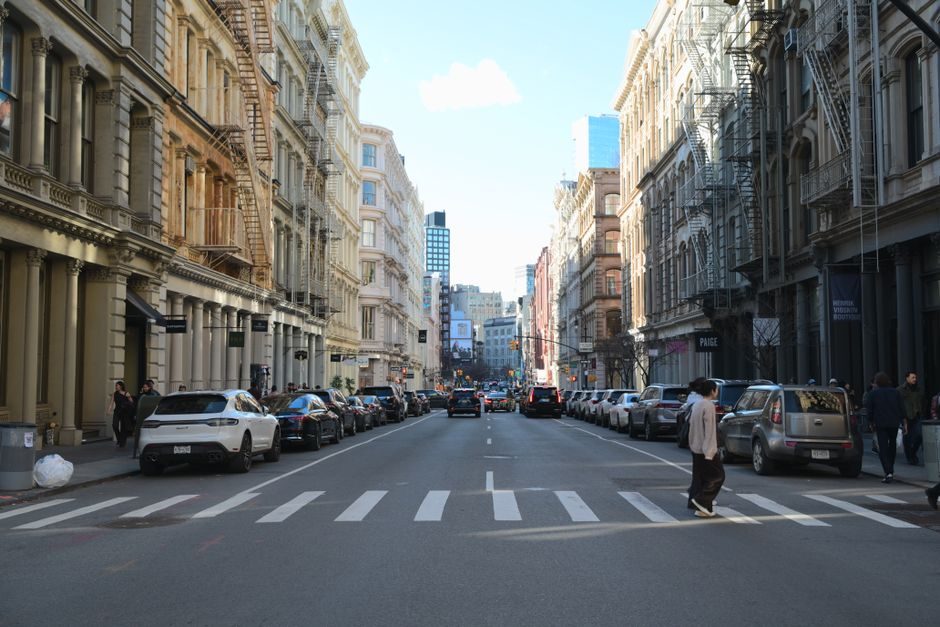
Check What the Scene Shows
Start with visible evidence in the scene rather than a location list: look for a bridge shape, building façade, street sign or intersection that can be compared with a map. A distinctive landmark is easier to verify than a general impression of a neighborhood, especially when the film cuts between different angles.
- Match a visible feature in the scene to a current map or reliable production reference.
- Label an uncertain match as unconfirmed rather than presenting it as a filming site.
- Check present-day access before travelling to a location.
Then compare those details with trustworthy location references, production notes or contemporary reporting about the shoot. If sources disagree, record the place as a possible match instead of presenting it as confirmed; film scenes can combine location footage, controlled setups and visual effects.
Anyone estimating expenses in lira can use a dolar TL çevirici while mapping out a route and its transport costs. Keep that calculation separate from location verification: currency tools can help with budgeting, but they cannot establish where a scene was filmed.
Separate Setting From Shoot
A film can be set in New York without every scene being shot on the exact street shown. Productions may film exterior material in the city, use controlled locations for other scenes, or combine footage in editing, so a recognizable skyline alone is not enough to confirm a precise address.
For a practical fan visit, sort possible stops into two groups: verified filming locations and recognizable city landmarks that connect visually with the movie. That simple distinction lets you enjoy the setting without repeating uncertain claims as fact, and it helps set realistic expectations for what you will see.
When a location is private property, a school or an active workplace, plan to view it only from places open to the public. Respect posted restrictions and residents’ privacy; a film connection does not grant visitors permission to enter or photograph restricted areas.
Landmarks and Streets to Look For
Bridges and City Views
The Queensboro Bridge is a useful landmark to consider when tracing the movie’s New York imagery because its steel structure and broad river crossing are easy to recognize. Check the film scene and location references before calling it a confirmed shoot site; the bridge can still make a memorable city stop for fans.
- The Queensboro Bridge is a recognizable landmark, but verify any claim that it hosted a specific scene.
- Choose safe public viewpoints instead of stopping on roadways.
- Separate movie atmosphere from confirmed filming locations.
Bridge views are best approached from publicly accessible surroundings rather than from the roadway, where pedestrians may not be permitted or safe. Check current pedestrian access and transit options before you go, and use a map to identify a legal viewing point that gives you a clear look at the structure.
Other skyline and river views can evoke the film’s setting even when they are not tied to a specific shot. Treat those as atmosphere stops, not filming claims, and pair them with one or two verified places so the visit balances cinematic recognition with accurate location history.
- Look for recognizable bridge structures.
- Use public viewing areas.
- Verify scene-specific claims.
| Stop type | What it offers | What to verify |
|---|---|---|
| Verified filming site | Direct production connection | Current public access |
| Recognizable bridge | Distinctive city view | Safe viewing point |
| Neighborhood walk | Everyday New York atmosphere | Scene and address match |
Neighborhood Details and Streets
Street-level details can be more useful than a sweeping skyline when you are trying to identify a film location. Compare shopfronts, intersections, building entrances and street signs visible in a scene, remembering that businesses and façades can change between filming and your visit.
The movie’s New York setting includes the everyday city around Peter and Gwen, so neighborhood walks can add context even when a precise filming address is uncertain. Use a map to check distances and public transit, and avoid assuming that a familiar-looking block is the exact location on screen.
A compact comparison helps set expectations: a verified site offers a stronger production connection, a landmark offers clear city recognition, and a neighborhood walk provides atmosphere. Choose based on the experience you want, then confirm access and travel time rather than trying to cover every possible match.
Build a manageable route by grouping verified locations and nearby landmarks rather than crossing the city for every unconfirmed lead.
Planning a Route Between Locations
Group Stops by Area
Build a manageable route by grouping verified locations and nearby landmarks rather than crossing the city for every unconfirmed lead. Mark each stop on a current map, check transit connections between clusters, and leave enough flexibility for delays, changing access or a location that proves less distinctive in person.
Choose one anchor stop, such as a confirmed filming place or a landmark you especially want to see, then add nearby options that are open to the public. This makes the plan easier to adjust if a street is busy or a building cannot be viewed from close range.
Before travelling, check the day’s transit information and any site-specific visitor rules. Film locations are ordinary parts of a working city, so routes should account for pedestrian access, local activity and the possibility that construction or temporary restrictions may alter the best approach.
- Group stops by neighborhood.
- Choose one anchor location.
- Check transit and public access.
Keep the Visit Respectful
Treat filming locations as real streets and buildings, not attractions with guaranteed visitor facilities. Stay on public sidewalks, avoid blocking entrances and follow posted rules, particularly near homes, schools and businesses that may have no connection to the production today.
Have a backup stop nearby in case a viewpoint is closed or a location is difficult to identify. A public park, bridge overlook or recognizable street can keep the day enjoyable without encouraging trespass or turning an uncertain claim into a promised destination.
Take photos from permitted public areas and be considerate of people who live or work nearby. If you share your route with other fans, describe which stops are verified and which are simply evocative of the movie; that small distinction makes your recommendations more useful and responsible.
What to Know Before You Visit
Check Access Before Setting Out
Treat filming locations as working parts of New York, not attractions with guaranteed public access. A street corner may be easy to view, while a building entrance, courtyard, or interior may be private or closed. Check current access conditions before traveling, and plan to appreciate exterior details from public sidewalks.
- ☐ Confirm that each stop is publicly viewable.
- ☐ Save addresses and map pins before leaving.
- ☐ Check transit updates on the day of your visit.
- ☐ Plan a nearby alternative in case access changes.
For a fan visit, distinguish a recognizable city backdrop from a confirmed filming point. The Amazing Spider-Man uses New York settings, but a scene may combine several places or use a camera angle that makes an ordinary block look distinctive. Compare reliable location references with street-level signs and building features before adding a stop to your route.
A quick currency check can help put dollar-denominated travel expenses in perspective; 1 dolar kaç TL is useful when comparing a planned budget with costs at home. Keep the result as a rough planning aid rather than a promise about what your card or cash exchange will deliver. Actual payment totals can differ because of fees and exchange rates.
- Confirm public access and opening hours.
- Save the address and a map pin.
- Check transit service before departure.
- Keep private entrances off your route.
Respect Residents And Businesses
Many recognizable exteriors are part of residential blocks or active business districts. Keep to public paths, avoid blocking doorways, and do not enter a building to recreate a scene unless it is clearly open to visitors. A quick, considerate stop is better than disrupting people who live or work there.
Be especially careful when a location appears to be a private home or school. Do not photograph residents, students, or security arrangements, and follow posted signs even when a film reference makes the place feel familiar. If a site cannot be viewed respectfully from a public area, enjoy it through archival images instead.
Leave room for ordinary city activity when planning how long to stay. Delivery workers, pedestrians, and local customers need clear access, so step aside before checking your camera or comparing reference images. This approach also makes the visit less stressful and gives you time to notice architectural details without holding up the sidewalk.
Making a Travel Budget for the Trip
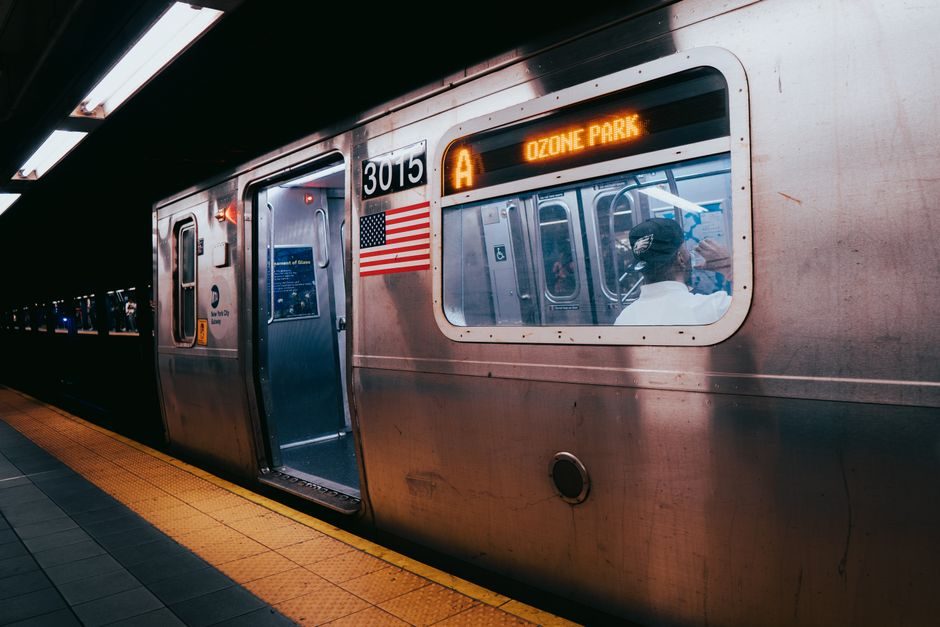
Separate Fixed And Flexible Costs
Build the location outing around costs you can identify in advance, such as transit, meals, and any paid attraction you choose to add. Many film exteriors can be viewed from public streets without an admission ticket, but getting between neighborhoods takes time and may require several transit legs. Check current fares before settling your plan.
Set aside a flexible amount for meals, water, and an unexpected change of route. A location may be inaccessible, a train may be disrupted, or you may decide to spend longer in one area than expected. Keeping these costs separate from essential transport makes it easier to adjust without abandoning the day.
Convert estimates using a current rate and remember that the amount charged can differ from a simple online conversion. Card providers may apply their own exchange rate or fees, and cash exchanges can use different buy and sell rates. Compare the final terms available to you before making a payment or exchanging money.
- List transport and meals separately.
- Check current transit fares.
- Allow room for route changes.
- Verify payment fees before departure.
Choose A Route That Fits
Group nearby locations rather than crossing the city repeatedly for isolated photographs. Start with the stops you most want to see, then add a nearby street or landmark only if the transit and walking time make sense. A compact route leaves more room for delays and for the unplanned details that make a visit enjoyable.
Compare walking with public transit for each connection. A short distance on a map may involve crowded crossings, stairs, or a long wait for a train, while a longer ride can save energy between distant areas. Use a current map and transit information instead of assuming that every stop sits conveniently beside the next.
Decide in advance where you will shorten the outing if time or energy runs low. Keep the most meaningful film location near the beginning, and treat less certain stops as optional. This order protects the central purpose of the trip while avoiding a rushed final stretch or an unnecessary journey to a site that proves hard to view.
Tips for Photographing Familiar Scenes
Frame The Street Carefully
Use the film image as a guide to composition, not as a demand to reproduce every detail. Stand where you can see the same building edges, street direction, or skyline relationship, then adjust for present-day signs, traffic, and construction. A slightly wider frame often explains the location better than a tight crop.
- Find a safe public place to stand.
- Compare the street direction with your reference.
- Frame stable architectural details.
- Take the photograph and clear the way.
Take a moment to check where pedestrians and vehicles are moving before raising your camera. New York sidewalks can be busy, and stopping abruptly near a crossing or entrance creates a hazard. Step to a clear public area, take the photograph without blocking others, and move on if the space becomes crowded.
Look for durable details that connect the view to the movie, such as a distinctive facade, bridge approach, or street grid. Avoid treating temporary shop signs or parked cars as essential evidence, since those change quickly. When the exact film angle is impossible from a safe public position, photograph the broader setting and note what differs.
- Match building lines before cropping.
- Keep entrances and crossings clear.
- Photograph permanent features, not temporary signs.
- Use a wider frame when the angle differs.
Capture A Useful Record
Save a location note with each photograph so you can remember which block or viewpoint you visited. A map pin, street sign, or short written description can prevent confusion when several New York streets look alike in a camera roll. Keep personal details and other people's faces out of the frame whenever practical.
Take one scene-setting image before making close-ups. A wider view records how the street relates to nearby buildings and helps explain why it may have stood in for a cinematic setting. Then capture a detail such as masonry, a corner profile, or a bridge view that made the place recognizable to you.
If you plan to share the images, describe what you can verify rather than claiming every photographed feature appears in the finished film. Production work can combine locations, sets, and visual effects, so a present-day resemblance is not proof of a precise shot. A careful caption can still convey the fan connection while staying accurate.
Common Mistakes When Visiting Film Locations
Avoid Treating Every Match As Exact
A familiar-looking corner is not automatically the exact place used for a scene. Films can combine views from multiple blocks, alter backgrounds, or use sets for parts of an action sequence. Before traveling far, look for more than one identifying feature and check whether a dependable location reference supports the match.
Do not rely on a still image alone to identify a building. Camera lenses can change how distances and facades appear, and renovations may have altered a location since filming. Compare the street layout, neighboring structures, and viewing direction; if important details do not line up, label the stop as a likely visual match rather than a confirmed site.
Avoid building a full day around one uncertain address. Keep a nearby public landmark or another confirmed exterior as an alternate, and make the uncertain stop optional. This small change protects your time while still letting you explore the neighborhood if the setting turns out to be less recognizable in person.
- Cross-check more than one feature.
- Treat changed facades with caution.
- Keep uncertain stops optional.
- Choose a nearby fallback.
Leave Room For City Changes
Construction, street closures, and changing business hours can affect what you see, even when a location remains in the same place. Check current conditions shortly before leaving and be ready to view a block from another public angle. If a sidewalk is closed, follow the posted detour instead of trying to reach the original camera position.
Do not assume a film location will look exactly as it did during production. Buildings may be renovated, signs replaced, trees grown, or street furniture moved. The enduring connection is often the setting and its relationship to the city, so compare the broad structure rather than expecting every background detail to remain unchanged.
The most useful visit plan has a clear priority and a graceful fallback. Choose one or two locations that matter most to you, keep the rest flexible, and set a point at which you will stop chasing a difficult view. That way, a changed street or inaccessible entrance becomes a minor adjustment rather than the defining memory of the outing.
Frequently asked questions
Can I visit The Amazing Spider-Man locations for free?Many exterior locations can be viewed from public streets without paying an admission fee, but reaching them may involve transit costs. Some places associated with a film are private properties, businesses, or attractions with their own entry rules. Confirm access before you go, and do not enter a building or enclosed area unless visitors are clearly welcome.
How can I tell whether a New York spot appears in the film?Compare several details instead of relying on a general resemblance: street direction, building shapes, nearby landmarks, and the camera's viewpoint. Look for a reliable location reference that identifies the place, while remembering that productions can combine footage from different sites or use sets and visual effects. If the evidence is incomplete, describe the location as a possible match.
Can I see every filming location in one day?That depends on where the locations are and how much time you want at each stop. New York traffic, walking distances, transit changes, and access restrictions can make a long list impractical. Choose a small group of nearby places, prioritize the ones you care about most, and leave optional stops for another day rather than rushing between distant addresses.
Is it appropriate to photograph residential filming locations?A public view from the sidewalk is generally the considerate choice, but respect signs, privacy, and any restrictions at the site. Avoid photographing residents, entering private property, or obstructing doorways and sidewalks. If a location cannot be viewed without intruding, skip the photograph and use a published image or another nearby public view to appreciate its connection to the film.
Make The City Part Of The Film Experience
The strongest visit is not a race to collect addresses; it is a thoughtful look at how New York’s streets and architecture contribute to The Amazing Spider-Man. Confirm locations before setting out, group nearby stops, and treat uncertain matches honestly. A flexible plan and respectful photography help you enjoy the film connection without losing sight of the city’s everyday residents and routines.
Before you go, choose the locations you most want to see, save their addresses, and check current access and transit conditions. Keep a nearby alternative for any stop that may be closed or difficult to identify, and leave room to pause for the details that catch your eye. Your photographs and notes will be more useful when they record both the film reference and the real place around it.

Add Emma Stone Fan Page as a preferred source on Google


